
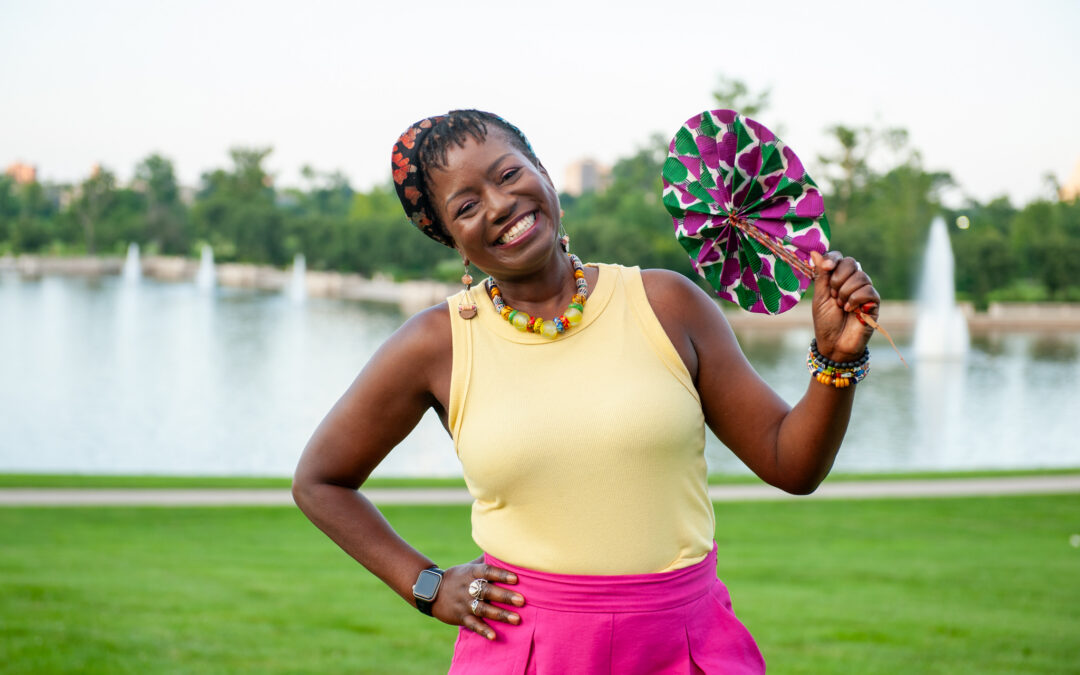
RAC is excited to partner with Humans of St. Louis to highlight stories from some of the talented creatives and artists who call St. Louis home. All stories and photography in the RAC + Humans of St. Louis series were created by and are credited to Lindy Drew, co-founder, lead storyteller, and book co-author of Humans of St. Louis.
Kathryn Bentley
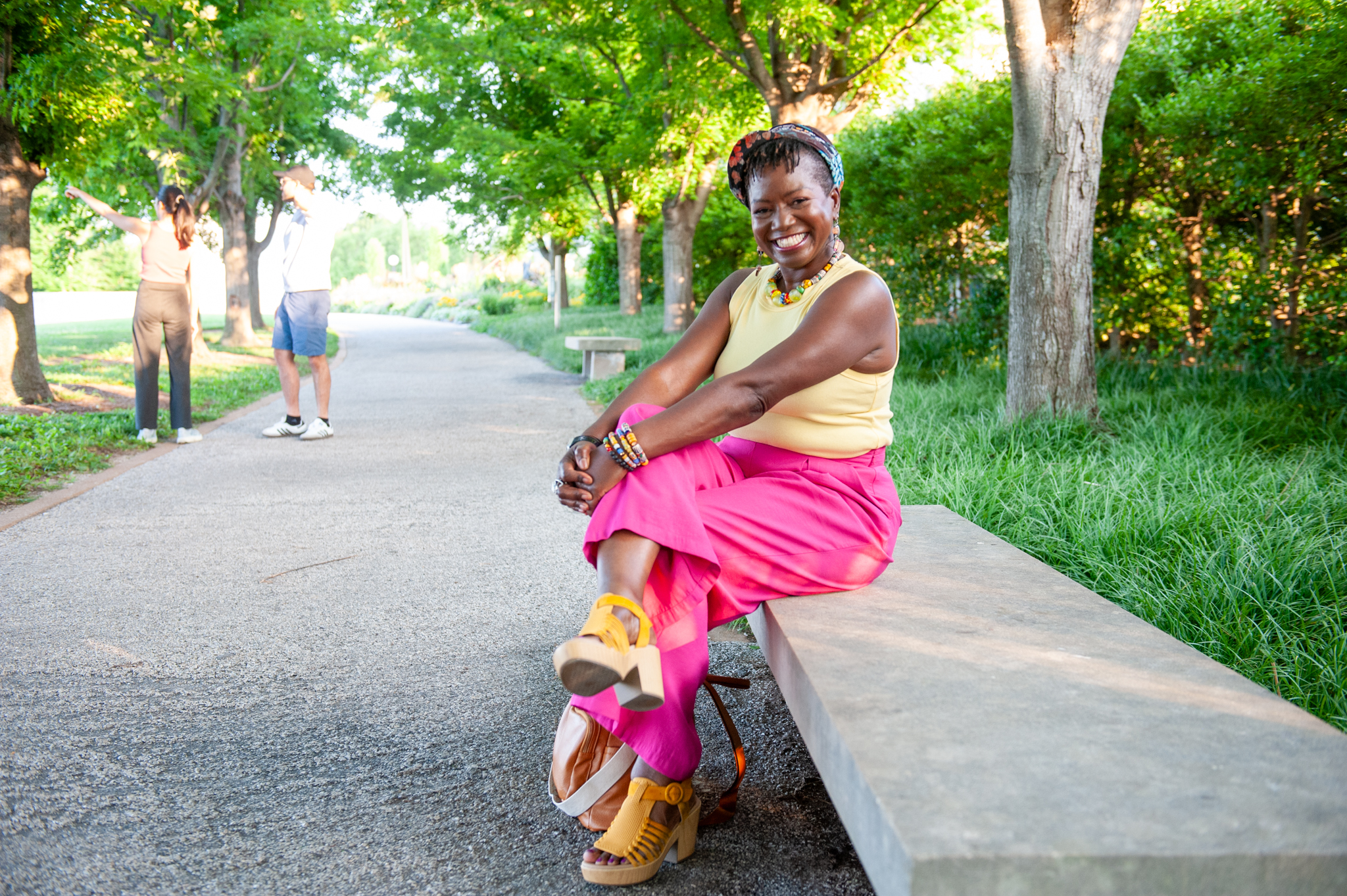 Photo credit: Lindy Drew / Humans of St. Louis
“I’m Kathryn Alise Bentley, named after both my grandmothers. My mother’s foster mother was Katherine. And my father’s mother was Alice. When I was younger, I thought I was going to be an actor. I don’t remember wanting to be anything else. That’s what I wanted to do. I used to do a lot of theater stuff at home when I was little. I have a younger sister, and my parents put us in dance class. I don’t know if this is true, but apparently, we would just make up shows. I’d be the director, and I’d make my sister do all sorts of things, playing theater with me. My mother was just reminiscing the other day that we’d put on a dinner theater and take our parents’ dinner orders. And the menu had to be what we could cook, like cheese toast. So we’d write down their order, we’d make their dinner, then they’d watch a show that I’m sure I would have written and acted out. We’d use any of my mother’s accessories that she’d let us, so her scarves and hats would be our costumes. And we’d come out and do theater and dance and sing for our parents. That was me as a young actor to be, director to be, writer to be.”
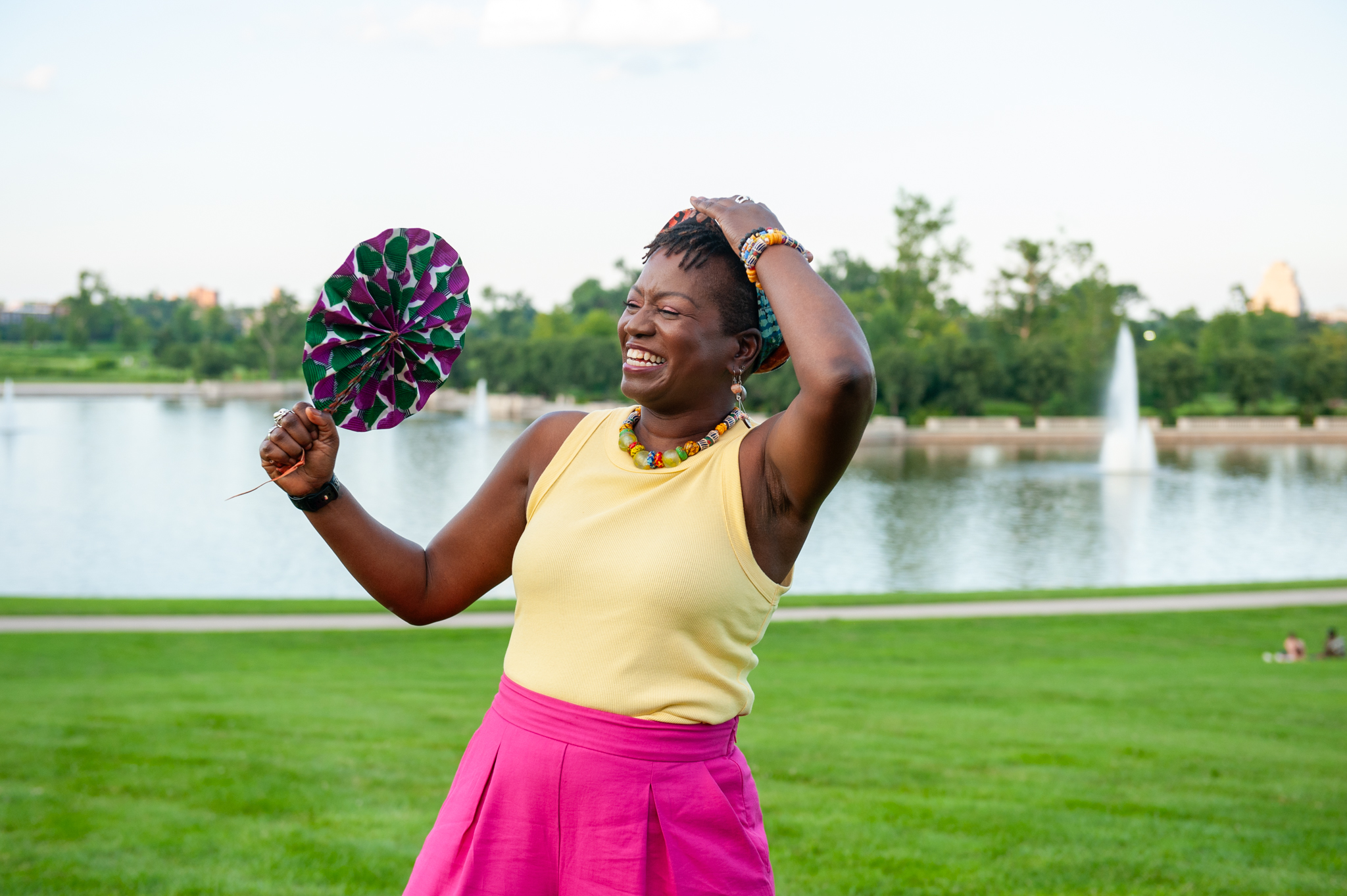 Photo credit: Lindy Drew / Humans of St. Louis
“I am a daughter of an 88-year-old mom and an 86-year-old dad, who are the reason I do theater because they introduced my brother, sister, and me to all kinds of arts. They took us to New York and Chicago to see all sorts of plays. We’d go to Alvin Ailey whenever they were in town. So I am quite blessed to have been exposed to the arts early on. And they went on to support me to work in the arts. Well, they kind of also said, ‘You need to double major.’ To which I was like, ‘Uh huh.’ So I was actually a mass communications major. But they’re very much supporters of the arts, and supporters of me. And that’s been a very important part of my life. Aren’t I lucky? They still come to my productions when they can. You know, they’ve missed a few because of illnesses, but they try to get to everything. They couldn’t get to the reading of my playwriting debut because they just weren’t feeling well. But when that full play goes up, I’m hoping that they’ll be able to go.”
 Photo credit: Lindy Drew / Humans of St. Louis
“I loved dance school, but middle school is when I started doing theater, and by high school, I was just all in when it came to theater. My sister and I used to take dance from Pelagie G. Wren Academy of Dance. A lot of the young Black children in St. Louis took dance from Ms. Wren, who was awesome. She was a ballerina and the first Black dancer at The Muny. I remember one time we had a show in Heman Park when I was eight. I got up on stage to dance, and I fell. So my classmates just danced over me. I was like, ‘Oh my god!’ That was devastating. I was so embarrassed. But I was little. Like, ‘Whatever. The show must go on.’ What an awkward moment in my career. But, you know, theater is live. So a lot of awkward things can happen.
High school drama was a lot of fun as we put on musicals like 𝐾𝑖𝑠𝑠 𝑀𝑒, 𝐾𝑎𝑡𝑒, and 𝑀𝑢𝑠𝑖𝑐 𝑀𝑎𝑛. I remember we did this play called 𝑆𝑝𝑜𝑜𝑛 𝑅𝑖𝑣𝑒𝑟 𝐴𝑛𝑡ℎ𝑜𝑙𝑜𝑔𝑦, and I had to kiss this guy who, in real life, was a jock. Well, I saw him at our class reunion not too long ago, which did not go well because he wanted to relive that moment. I was like, ‘Get away from me. Eww!’ Yeah, he was drunk. But back in high school, kissing someone was a big deal. I was the thespian, and he was the jock. So I told myself, ‘I can do this. I’ve had my first kiss. I know what I’m doing, I guess.’ The good thing is that stuff didn’t show up on Instagram back then. Thank god we didn’t have the internet when I was in high school. I can’t even imagine.”
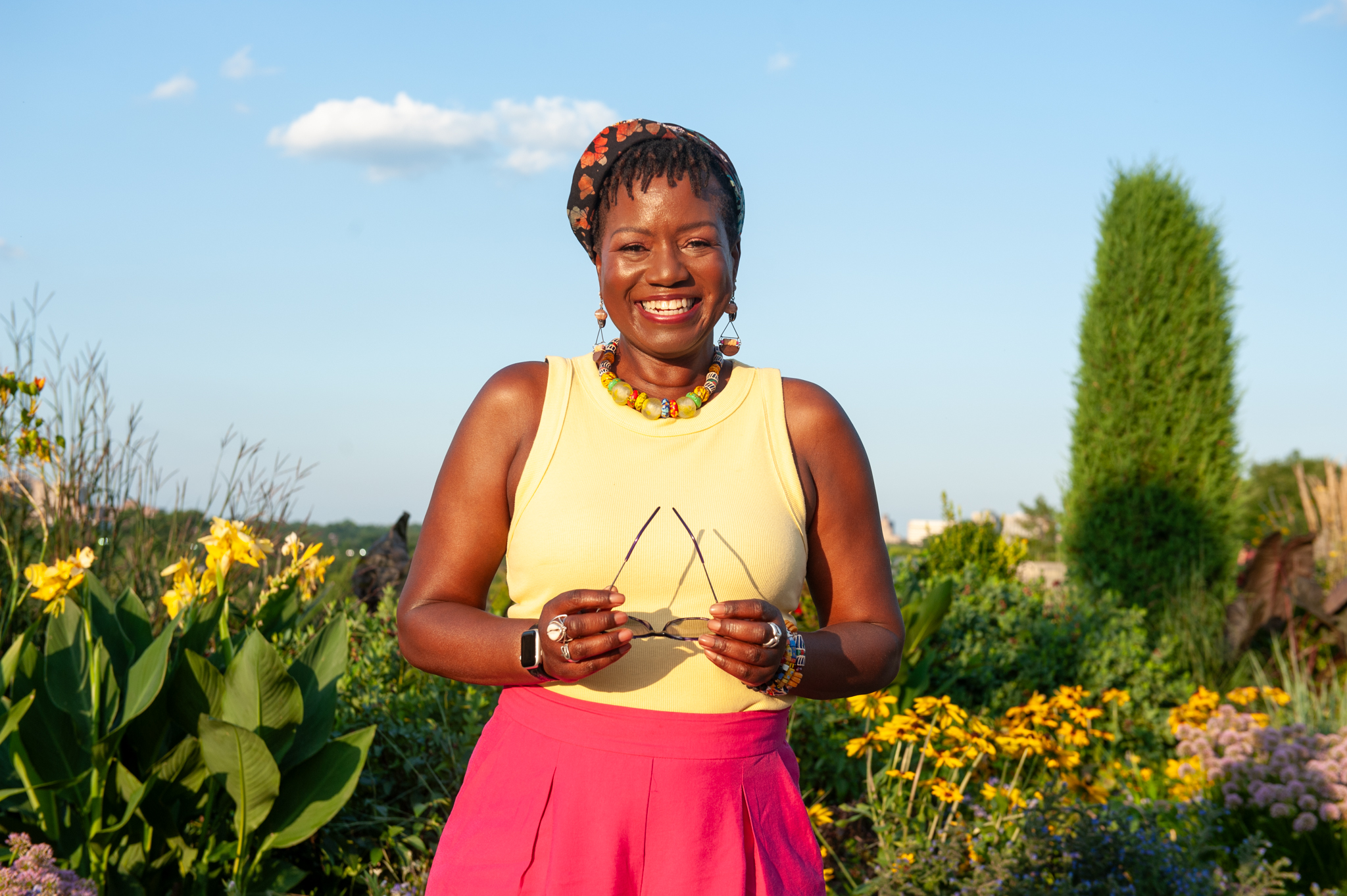 Photo credit: Lindy Drew / Humans of St. Louis
“My high school drama teacher, Mr. Kenney, became my good friend and mentor. He shaped me and really guided my future in so many ways. I spent a lot of time in the theater at Webster Groves High School with him. He was just the coolest. He always had this little twinkle in his eye kind of thing, so he’d look at us and smile out of the corner of his mouth. And he always smelled like smoke. I don’t know how many packs of cigarettes he smoked a day, but it was way too much.
My father’s from DeSoto, Missouri, so some of the ways I pronounce words are from there. And when I’d say, ‘I’m gonna warsh this,’ or ‘I’m gonna go to Warshington,’ Mr. Kenney would say, ‘Bentley! It’s wash.’ I’d pronounce the word ‘um-brella,’ and he’d immediately correct me, like, ‘It’s umbrella, Bentley. Umbrella.’ Then he’d just look at me and kind of half-smile. He was so funny to me. And he was also very encouraging.
Since then, that little high school theater has changed so much. Last summer was our 40th class reunion, so I got to see it newly renovated. It’s in the back of the high school, and as kids, we’d be out there doing whatever. You know, having fun. But man, when I walked back into that place, I felt Mr. Kenney’s energy still in there. Like when we’d be back there having fun, creating, and learning about ourselves. I haven’t been back to teach or perform. But I had been back because my daughter graduated from there, too.”
 Photo credit: Lindy Drew / Humans of St. Louis
“That’s an interesting question because I’m not quite sure what that means for me and my career. After high school, Mr. Kenney was so helpful in getting me into The Goodman School of Drama in Chicago, which is now The Theatre School at DePaul University. So I did that conservatory my first year of college and didn’t like the setting. I did well, but it just didn’t feel right. I wanted to come back home. So I returned to St. Louis, ended up interning at The St. Louis Black Repertory Company for a semester, and that’s where I met my next mentor, Bill Grivna. These two men have just completely shaped my path.
Anyway, I was stage managing a show that Griv was directing, and while getting to know him as the director, he was like, ‘Why don’t you come to Southern Illinois University Edwardsville (SIUE), and finish your damn degree?’ He cursed a lot. Well, my parents had let me know, ‘Yes, you came home, but you can’t stay here. You gotta do something.’ So Griv was very convincing. Like, ‘Come by and visit the campus.’ Knowing that my father had gone to SIUE, and how he was one of the first students when the school was still in East St. Louis before moving to Edwardsville, I went to visit. And that’s how Griv got me to finish my degree there. You ask about a big break? Maybe that was it. Meeting him and working with him did shift my life and trajectory. After all, he became my dear friend and mentor.”
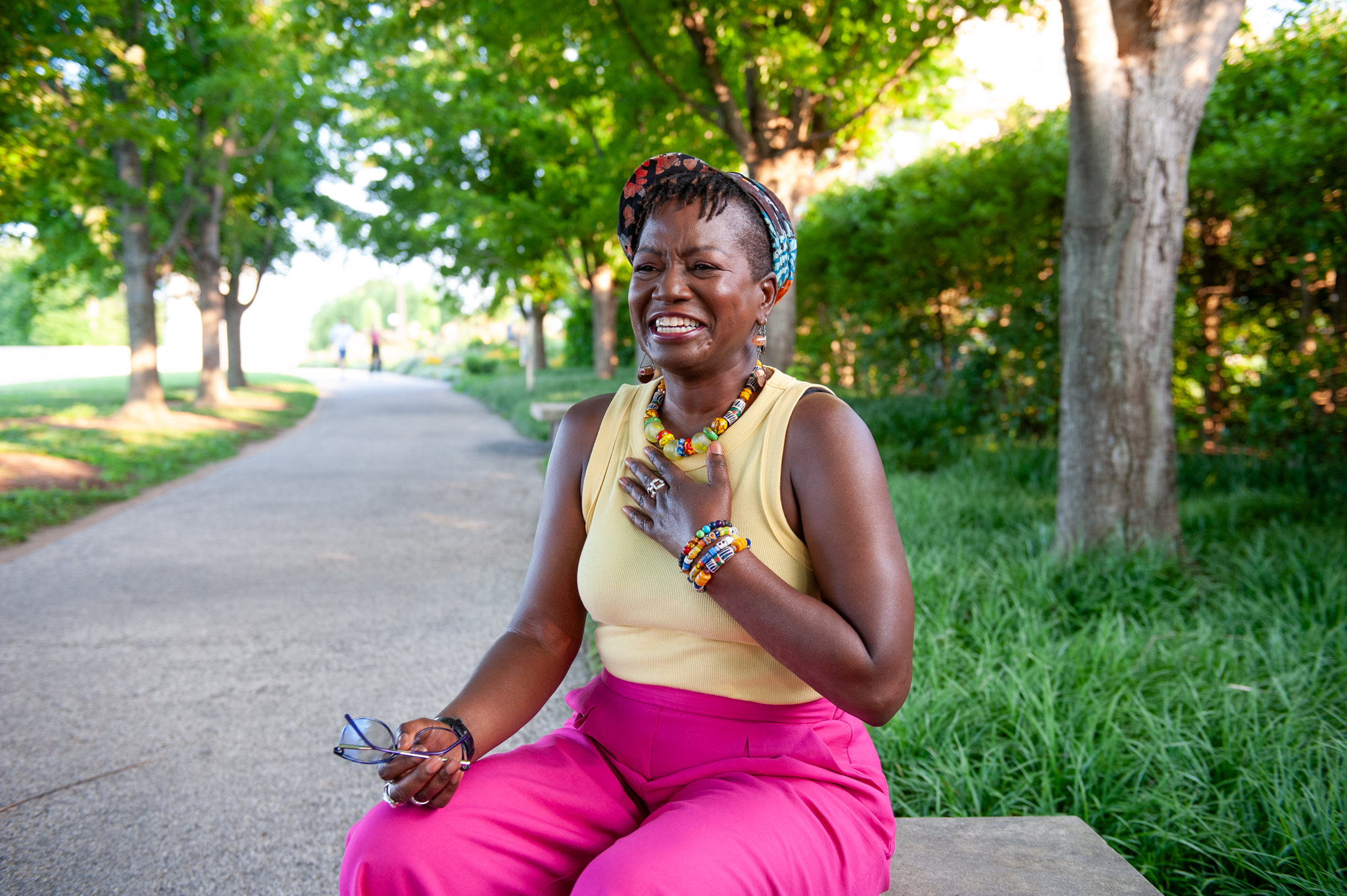 Photo credit: Lindy Drew / Humans of St. Louis
“Going to school at SIUE and studying theater was not the greatest experience in the ’80s because there were hardly any opportunities for the Black students to perform. This is when people would say they were doing nontraditional casting, but that didn’t mean colorblind casting for real. They just weren’t there yet. There were so few of us, and I was on stage a few times. So to do the real, meaningful roles, I’d drive over to St. Louis to do shows with The Black Repertory Company.”
𝐷𝑖𝑑 𝑠𝑡𝑢𝑑𝑒𝑛𝑡𝑠 𝑝𝑢𝑠ℎ 𝑏𝑎𝑐𝑘?
“The pushback would fall on deaf ears. Maybe we’d get an understudy for a role, for example, or sometimes we’d get cast. But for me, I knew my theater home was The Black Rep. So I thought, ‘I’m just gonna do stuff there cause I know it’s gonna be cool and meaningful. Plus, I’m already connected.’
But the reason I loved Griv so much was that we could have that pushback, and he would listen. As a student in school, he was this hippie white man who I just loved, loved, loved. He was from Minnesota, and as cool as cool can be. And in his mind’s eye, he was very inclusive. But there I was as an undergraduate in his directing class with this project to research a director. He had given us a list of them, and I spoke up, like, ‘Where are the Black directors?’ He said, ‘Well, there aren’t any of note.’ So I said, ‘Wait a minute. What?’ Looking back, he said that’s when I called him racist. I don’t remember that, but I’m sure I did. He had to be challenged. I ended up naming Lloyd Richards, did my report on him, and turned it in. After college, Griv and I became good friends, and we maintained a close friendship. It was really rough when he passed away. That was hard for me. What a good dude. I don’t know the last thing he saw me perform in, but he was the reason I taught for 20 years.”
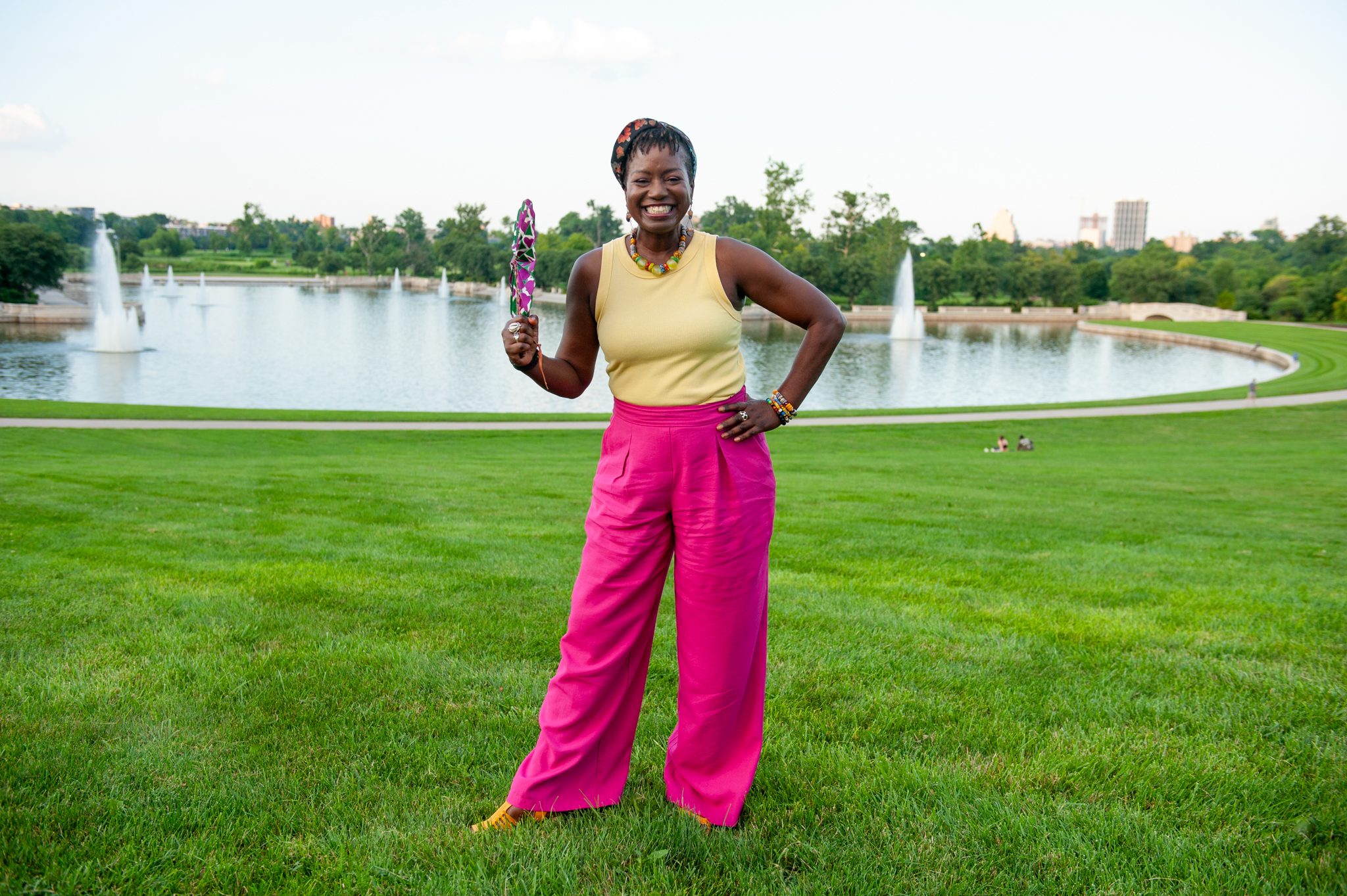 Photo credit: Lindy Drew / Humans of St. Louis
“I finished all my classes at SIUE except for one, but I was like, ‘Whatever, I’m still graduating.’ So I ended up moving to New York, where I lived for 10 years. I was acting with a theater company there that does work in Harlem, and that’s when I started getting into directing and more community-engaged work. I got married when I was there. I had a daughter. Then I got divorced. This whole time, I maintained contact with Griv. So when I moved back home to St. Louis, I told him I wanted to get my master’s. He was like, ‘Okay, get a master’s.’ So I went to Lindenwood University because it was the only program that was close, and I didn’t want to move away again. Then Griv was like, ‘I want you to come to SIUE to teach.’ I started teaching with him. He got me an adjunct position, and eventually I got a full-time position there teaching theater. I retired not too long ago. So now I’m an associate professor emeritus, all because of Bill Grivna. I’d try to get together with him to have a nice brunch, maybe every six months or so. And at our last brunch, he was giving me advice like, ‘You need to put money away for this and that as you get ready to retire.’ So I was taking notes. Well, he wrote two books after he retired, and he went to his car to get me a copy of his latest one. I still remember him jogging across Grand and then coming back to say goodbye. I never did see him anymore after that. Looking back, when I left SIUE, I was that student who said, ‘I am NEVER coming back to college.’ College was not for me. I did it. I didn’t fail. I did well. But I did not feel like I was cut out for that setting. So the fact that I went back there to teach for 20 years, yeah, that was Griv.”
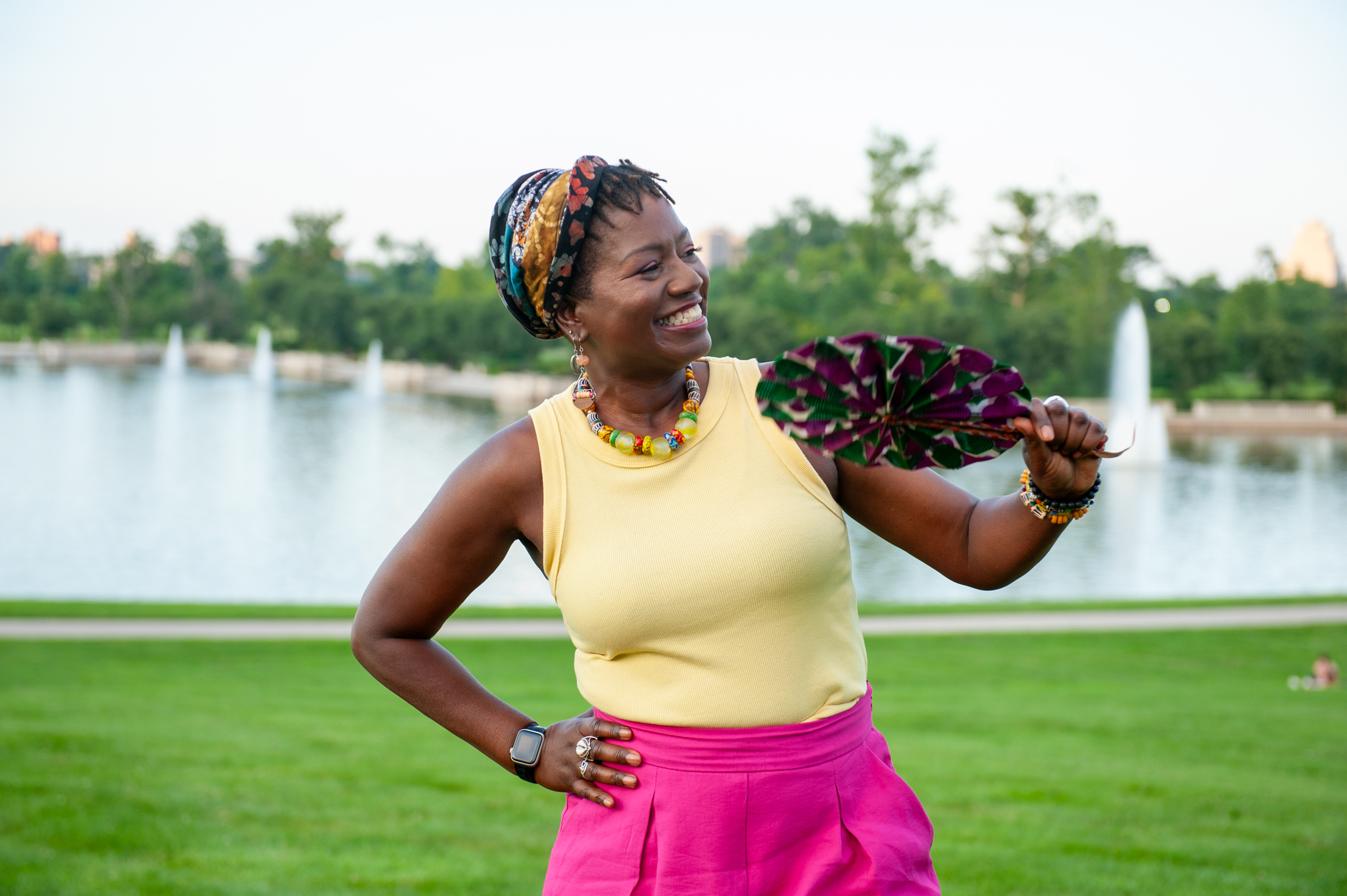 Photo credit: Lindy Drew / Humans of St. Louis
“Griv grew to teach a class called multicultural theater in America, which he developed with another professor who has also since passed away. He wrote in his story that my interactions with him as an undergrad helped him to grow in those ways. He also taught that class because he had done so much work in Asian theater studies and wanted to bring all of that in. When I first started as an adjunct, I team-taught that class with him. Then I continued teaching it for 20 years. I respected him and Mr. Kenney a great deal, especially the way they worked with students and influenced me as a student and a teacher. Eventually, we made multicultural theater a mandatory class because it should be. And a few years before I left, it became mandatory for all of the theater and dance majors, not just the performance majors.”
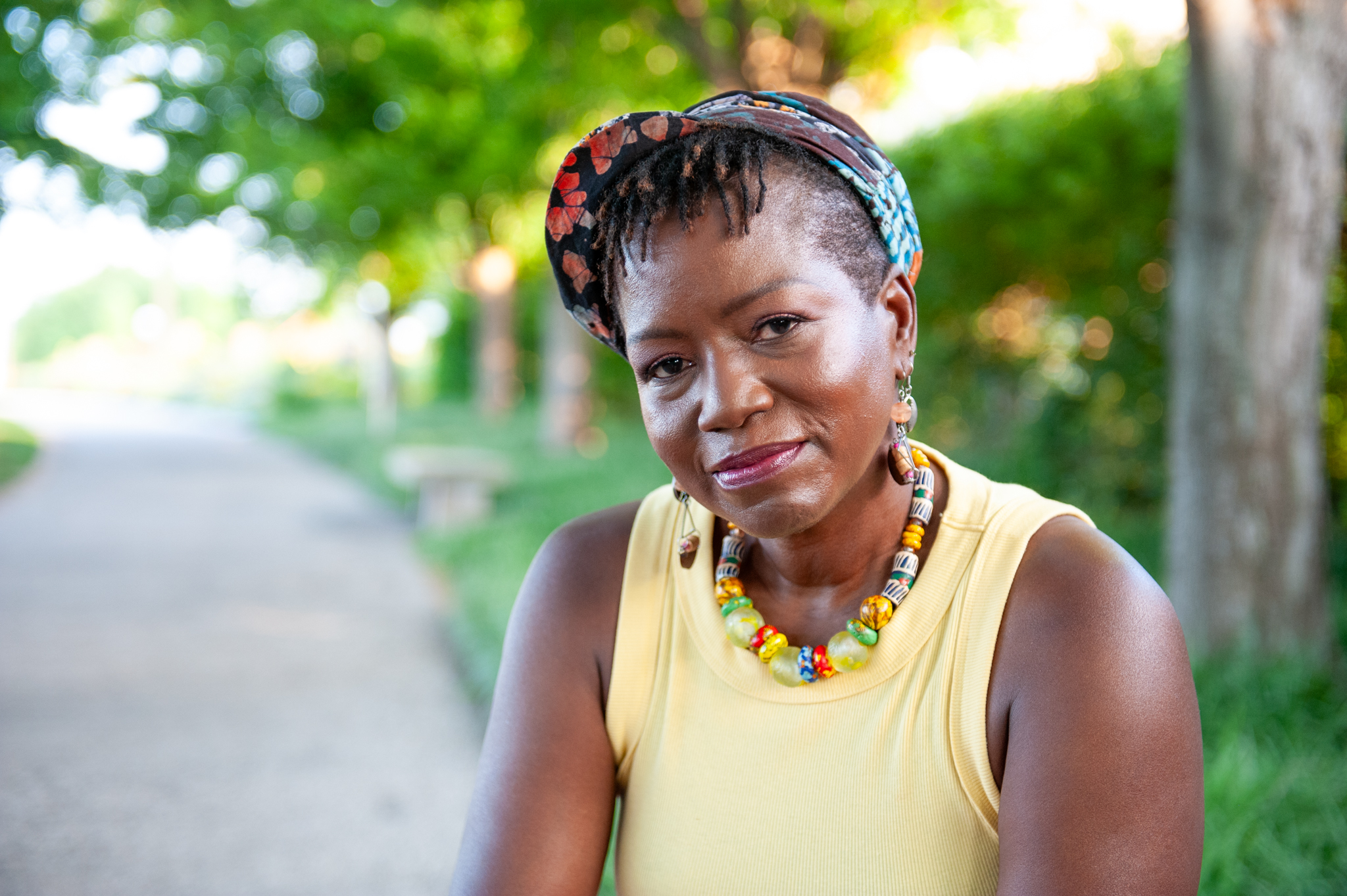 Photo credit: Lindy Drew / Humans of St. Louis
“I was proud of the things we did to try to give our students a well-rounded experience in theater. Lisa Colbert, the first Black professor in our department, collaborated with Griv to start the SIUE Black Theatre Workshop. We did a yearly performance that sometimes the students wrote and directed, or sometimes I directed. And I was the artistic director. It took a lot of effort. And it was always stretching me, even though it was considered something extra for a while, like, ‘That’s cute.’ But our school and our department began seeing the value in it. They could have said, ‘You know what? We’re not gonna support this anymore.’ But they started to understand that Black Theatre Workshop was important. As a result, so many students’ lives were changed. They wrote, directed, or were the producers because of it. They developed leadership skills because of it. They stayed in school because of it.
I always taught them that we were actors and that we were also artivists — we’re activists through our art. The students had so much in them that they wanted to share, take control of, and express. They were working through things like Trayvon Martin and Mike Brown’s killings, and I was with them through those too. So I knew these young people were dealing with a lot. In fact, we wrote a whole special production about that so these young people could express themselves using art. That’s what kept me going, too. Because I couldn’t think of any other way I would want to express what I was feeling in times like those. Some students were so driven; they were such leaders. Now they’re out here doing their thing, acting and having their own theater workshops. I’m so proud of them. Sometimes you just gotta make stuff like that happen because it feels right.”
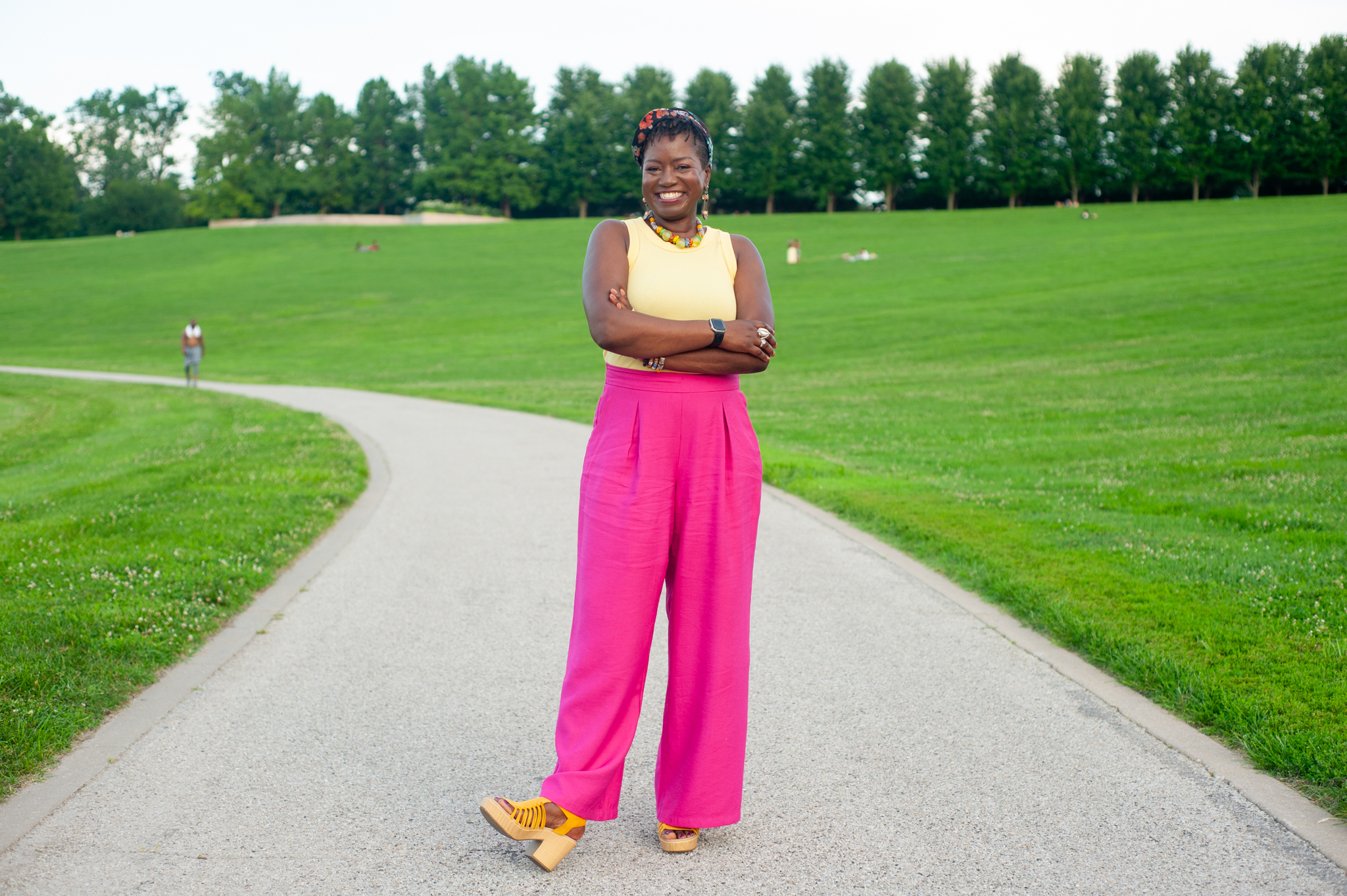 Photo credit: Lindy Drew / Humans of St. Louis
𝑊ℎ𝑎𝑡 𝑖𝑠 𝑖𝑡 𝑙𝑖𝑘𝑒 𝑤ℎ𝑒𝑛 𝑦𝑜𝑢’𝑟𝑒 𝑖𝑛 𝑑𝑖𝑟𝑒𝑐𝑡𝑜𝑟 𝑚𝑜𝑑𝑒 𝑣𝑒𝑟𝑠𝑢𝑠 𝑎𝑐𝑡𝑖𝑛𝑔 𝑚𝑜𝑑𝑒?
“Director mode is when you’re the point person for everything and everybody. So it feels like a thousand questions are coming at you every day. Kind of like being a mother: ‘Mommy, Mommy, Mommy!’ You’re collaborating with designers and producers. And you’re shaping the entire story, the entire everything, so you have to make all these decisions. I love putting that puzzle together. However, it’s also extremely stressful. At night, you’re not turning it off, and your mind races constantly, like, ‘In that one moment, what do I need to do to get this actor to that part? The lighting wasn’t right here, so I need to talk to the lighting designer tomorrow.’ But then, when everything comes together, I get so excited.
I directed the Shakespeare Festival’s Shakespeare in the Streets in East St. Louis, which is in the streets outside, and we missed a dress rehearsal because it was pouring down rain. So we rehearsed inside, which was good because we still rehearsed. But it’s different because, like, you don’t get the feel of how long it takes to put on a costume backstage and then run out. Our first full run-through was the day before opening. And sometimes with theater, opening night is your first real run-through. So that’s nerve-wracking. But it’s like, ‘What can you do? We’ll be fine. See you tomorrow.’ I’m like a yogi; I’m flexible. And I’ve gotten past people judging, like, ‘That play was terrible.’ Whatever. I know where we came from. So, ‘We’ll be out here tonight, having fun. And we’ll be out here tomorrow again.’
Then there’s actor mode. A friend of mine was directing one summer when I acted in Shakespeare in the Park. Theater in the park is a huge endeavor, and I was giggling to myself, like, ‘Luckily, I don’t have to make any of these big decisions. I can just focus and be concerned about what I need to bring my character to life.’ Actors who also direct can be critical, too. But I can turn it off so fast. I “…do my blocking, I let the director say, ‘Oh, that light’s not hitting Kathi,’ and I stand still. Then I can just relish in being an actor. That’s why I tell actors all the time: ‘Just do your job. There’s a whole team in charge of this, that, and the other. All you gotta do is learn your lines and do your character and your blocking.”
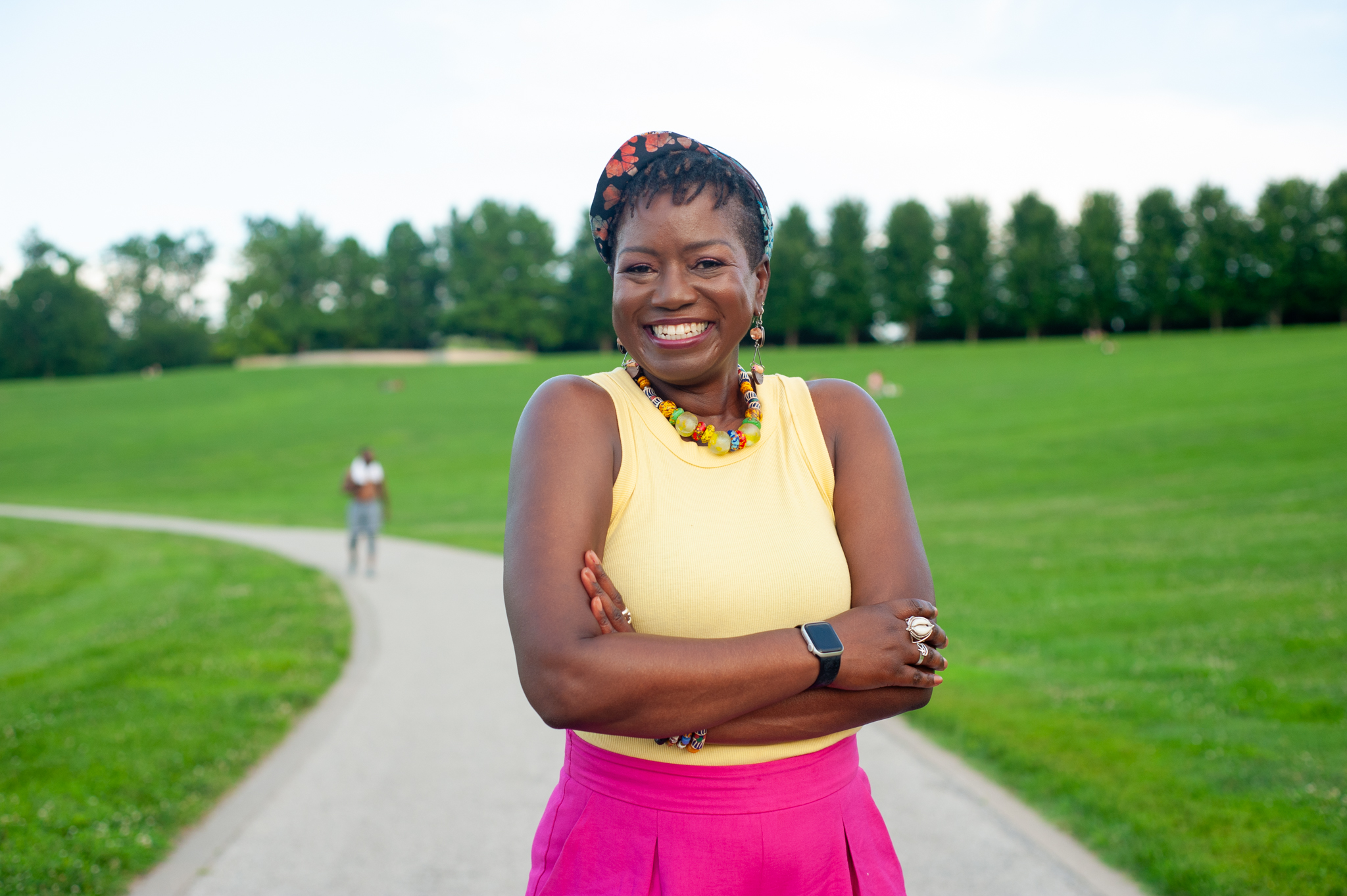 Photo credit: Lindy Drew / Humans of St. Louis
“I do still act. So I get to focus on using a whole other side of my brain than when I’m directing. I was recently in 𝐸𝑚𝑚𝑎 with the Repertory Theatre of St. Louis. But when I was teaching, it was really hard to juggle acting. I also had my daughter, so when she was little, it was hard to split my focus. I did a couple of plays early on, and I could direct because I could kind of set my schedule. But that first summer I retired, I had a role in the Shakespeare Festival’s Shakespeare in the Park and was like, ‘Yes, I finally can be in this!’ The production was 𝐴𝑠 𝑌𝑜𝑢 𝐿𝑖𝑘𝑒 𝐼𝑡, and I said my little parts. I know it’s said that there are no small parts, but I don’t care — that performance was fun. And I’m not saying it’s not stressful. Acting is stressful. My gosh, for the last play I was in, I was looking at my lines, like, ‘I’m scared. I still gotta learn these.’ And if I’m not prepared, that makes me nervous. So there is a level of pressure. And there is a sense of vulnerability as an actor that makes me wonder, ‘Why the heck did I say I wanted to do this? What if you make a fool of yourself?’ Then I just get out on stage. Directing is vulnerable as well, but nobody in the audience knows what might be off. Being on stage, however, that makes me nervous. Nervously excited. Sometimes I sign up to be a part of production, and I ask myself, ‘What are you doing?’ And then I’m doing another play. People ask me, ‘Aren’t you retired?’ And I’m like, ‘Yeah, I retired from SIUE so that I could do all this stuff.’”
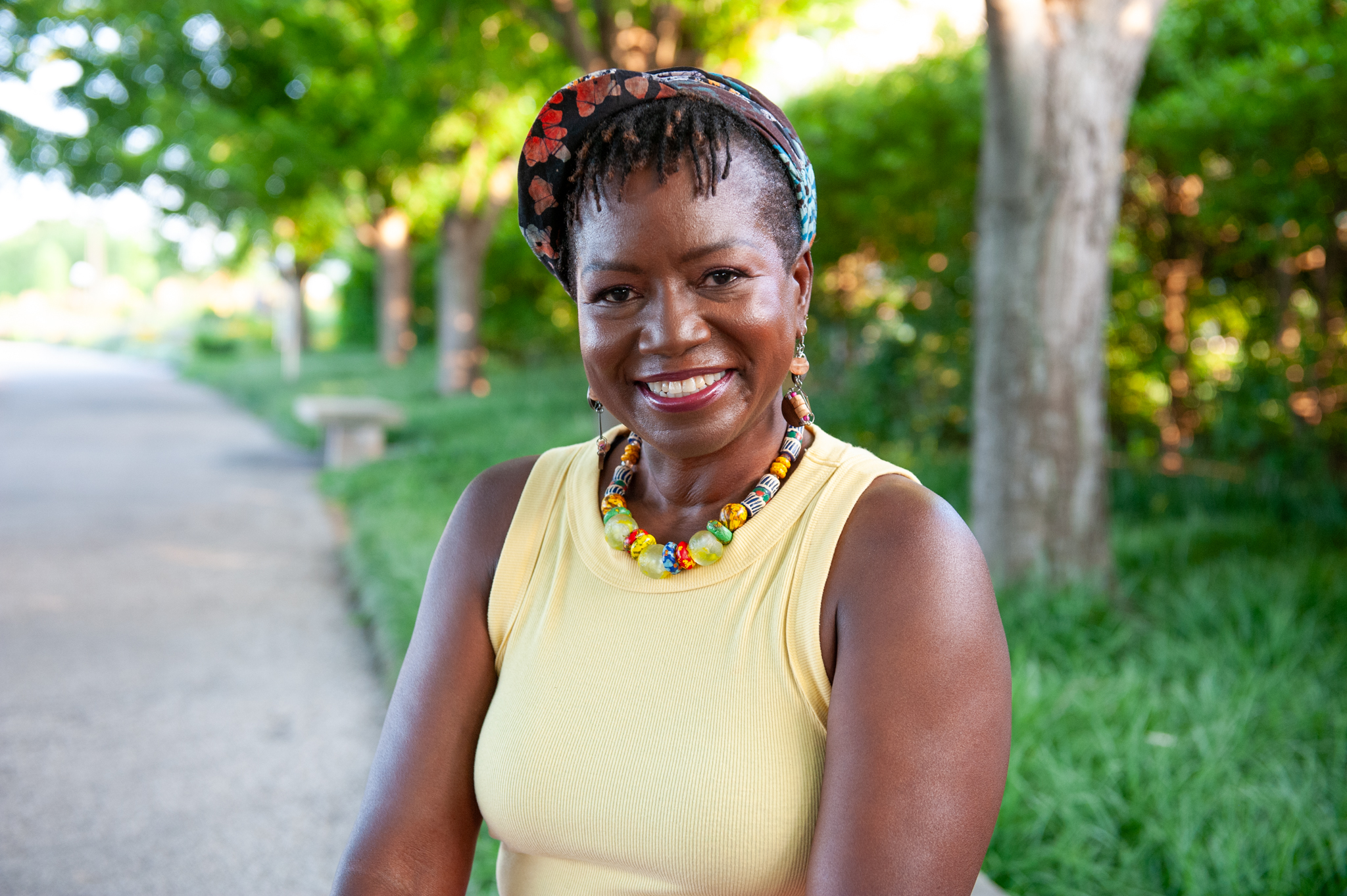 Photo credit: Lindy Drew / Humans of St. Louis
𝑊ℎ𝑎𝑡’𝑠 𝑏𝑒𝑒𝑛 𝑡ℎ𝑒 𝑟𝑜𝑙𝑒 𝑜𝑓 𝑦𝑜𝑢𝑟 𝑙𝑖𝑓𝑒 𝑦𝑜𝑢’𝑣𝑒 𝑒𝑛𝑗𝑜𝑦𝑒𝑑 𝑝𝑙𝑎𝑦𝑖𝑛𝑔 𝑡ℎ𝑒 𝑚𝑜𝑠𝑡?
“The best part of my life has been being a mother. My child is grown now. But there is nothing like having raised her. It is the absolute joy, and sometimes heartache, of my life. That has been the most challenging role, where sometimes the job is thankless and sometimes the rewards are great. My daughter, Essence, is brilliant, beautiful, and unbelievably talented. She has a huge heart. Very giving, very loving. She’s an only child. She’s strong and has been since she was young. Her dad and I are her closest cohort. We’re her peeps. We’ve gotten to see her brilliance as a performer, and I’m just like, ’Oh my god. Who is this child?’
Growing up, she was with me a lot. She saw stuff she probably shouldn’t have seen because she was up under me as I was directing all kinds of stuff. I mean, when I was pregnant with her, I was directing a children’s show. Her dad was in it, and we were married at the time. So she’s just always been around theater. As a young baby, she used to sing in a perfect pitch. She had a beautiful voice and a great ear. And she had to put it out there that that’s what she wanted to do. So when she said she was ready, I put her in dance school as my parents did for me. Then, when she was 12, she wanted to audition at The Muny. I was never that stage mom. So I had my good friend coach her. I still remember going into the audition with her. She was a little bitty thing, but held her sheet music and walked like she just knew what she was doing. And I knew she was so nervous. I’d worked with too many kids, too many young people, to ever, ever, ever push my child into doing something she may not want to do. So I walked behind her because she had to lead it. And she absolutely did. She did her audition, and she became a Muny kid. And then she was a Muny teen until 18.”
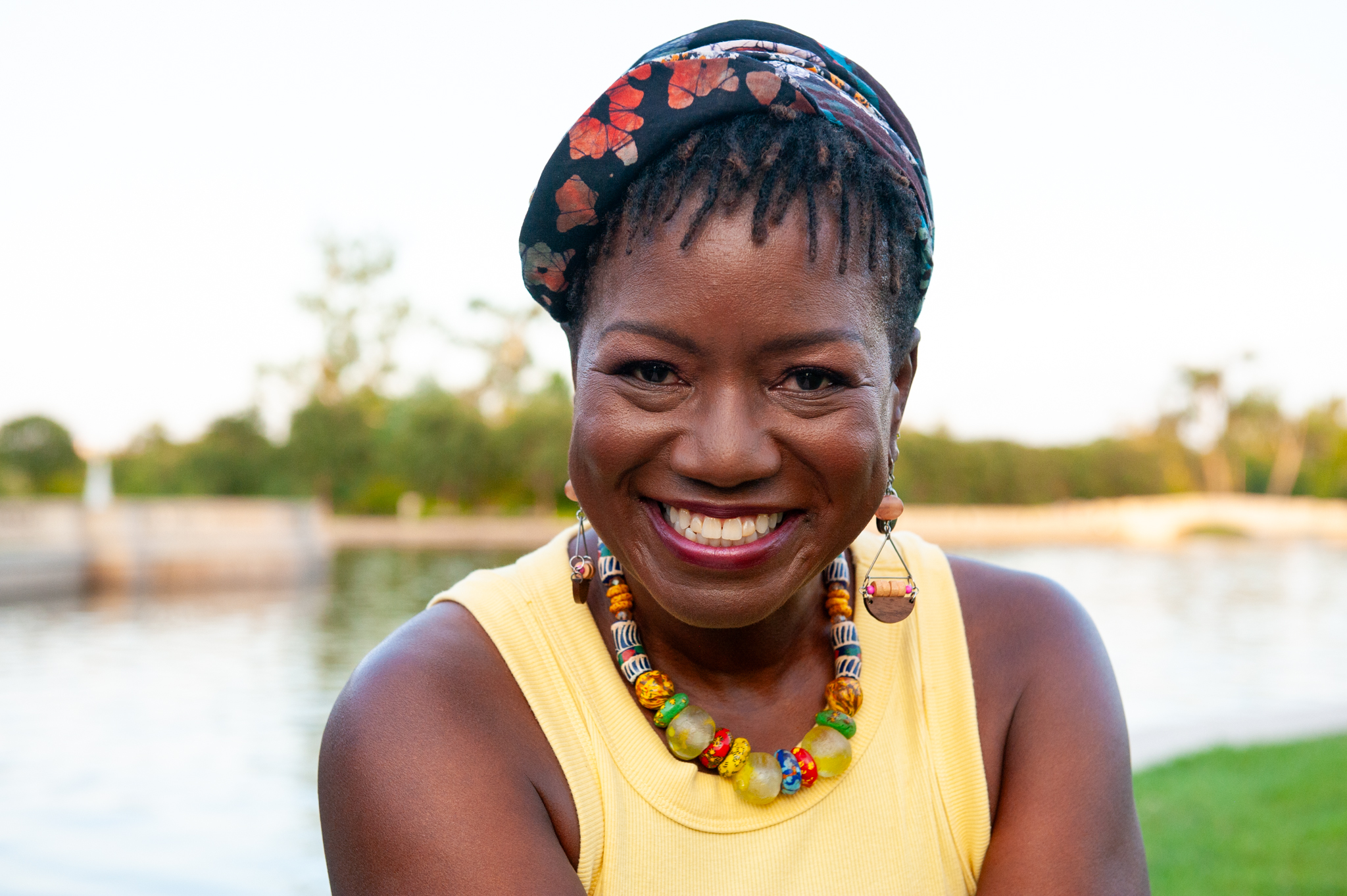 Photo credit: Lindy Drew / Humans of St. Louis
“My daughter has come to me for advice, especially when it was time for her to audition for college. I was her coach for her monologues. And she had a voice teacher who a lot of The Muny kids worked with. One play she finished in Colorado was a one-woman show about Billie Holiday, and she was brilliant. There were musicians, but she was the only actor. It was 90 minutes of extreme emotion. Lots of singing, lots of three-page monologues. I was like, ‘I’ve seen this performance six times.’ Because, you know, if I visit, I’m gonna see it. And I was watching my child, like, ‘How did this happen?’ I was looking at the audience, and they were so into it. Just amazing! People were crying. People were coming over to her afterwards. And I just sat in the back so proud.
For me, the most challenging thing was to let my child, who is an adult, be an adult and do her thing and make her own choices and be there if she needs me. So for this last show, there was some calling Mama to ask me things. And that’s what you’re supposed to do because you gotta be resourceful as an actor. But as a parent, I want to make sure she doesn’t have anything bad happen. And that’s ridiculous. Like, I had to have stuff happen. That’s how I grew into who I am. I’ve been growing a lot just in the last couple of years because she’s moved to New York now. And she’ll be like, ‘Mom, it’s okay. Get off me. I’m good. I’m fine. I’m gonna do it this way.’ So I might think, ‘I did New York.’ But she’s gonna do New York differently than I did. It’s a different time, and she’s totally a different person. It’s hard. I’m not saying that I’m good at it. I don’t have it yet. But I’m working on it. And I have to work on it.”
 Photo credit: Lindy Drew / Humans of St. Louis
“When I’m creating work, it always feels like art is imitating life. I’m a co-founder of Action Art Collaborative here in St. Louis, and our work is all about social justice. Fellow creative producer, Colin McLaughlin, and I released our first show, 𝐴𝑐𝑡𝑖𝑜𝑛, about activist Percy Green and his organization, which was also called ACTION, that unveiled the Veiled Prophet in the ’60s. Colin wrote the piece, I directed it, we co-produced it, and it did very well. But the work we do isn’t gonna be the kind everybody is going to love, especially because sometimes we call people out. You know, sometimes big names in St. Louis need to be called out. So the audience listens, the art connects, and it allows an opportunity to be changed. And an opportunity to go out of the theater differently than when you came in. Like, ‘Did you learn something? Do you want to take action about something now?’
We told the actors, ‘Look, you all gotta be ready for this kind of work. Because, yes, it’s a strong play. The message is strong.’ And some admitted, ‘I don’t know if I want to be saying these things about some of the families we mention.’ But what was really beautiful to me was that the activists we interviewed and talked about in the play came to see the play. We’re connecting with the activist community and the labor movement. And, as a result, we have a family of folks who like the work we do and activists who respect the work we’re doing.
I love creating something out of nothing. When I lived in New York and started working with another mentor and big sister of mine, Stephanie Barry, and her small company in Harlem, Blackberry Productions, we were doing meaningful community-engaged work created for and by the people. And there was very little money. So I brought that grit back to St. Louis with me. Then, to meet my like-minded brother, Colin, who was like, ‘Yeah, let’s start something.’ You don’t have to have anything but an idea. And all these wonderful things can bloom out of that one idea. Now, Colin is a phenomenal grant writer, so we do get funding. But we could also put on a production with very little. You don’t have to have a Muny budget to do a show. In fact, I prefer not to. I like less spectacle. Just start with a conversation with somebody. Just do it, and go.
I saw the change happening with the St. Louis art scene over my years of teaching, because every year I would have more and more students saying, ‘I’m gonna stay in St. Louis after I graduate. I’m not moving to New York, L.A., or Chicago.’ That’s how I knew that our city’s theater scene was changing. Theater is so big here that there are so many places to see good theater. St. Louis is blooming all of that right now. And it’s not just with theater but with visual arts and music, too. People are being creative and even saying, ‘I could do something in this backyard over here.’ So you don’t have to have anything except an idea, maybe a couple of friends, and a heart to do something cool, fresh, and new. Maybe it’s just you.”
 Photo credit: Lindy Drew / Humans of St. Louis
𝐻𝑜𝑤 𝑑𝑜 𝑦𝑜𝑢 𝑓𝑖𝑡 𝑎𝑙𝑙 𝑡ℎ𝑖𝑠 𝑡𝑟𝑎𝑣𝑒𝑙 𝑖𝑛𝑡𝑜 𝑦𝑜𝑢𝑟 𝑙𝑖𝑓𝑒 𝑤ℎ𝑒𝑛 𝑦𝑜𝑢’𝑣𝑒 𝑔𝑜𝑡 𝑠𝑜 𝑚𝑢𝑐ℎ 𝑔𝑜𝑖𝑛𝑔 𝑜𝑛? 𝑊ℎ𝑒𝑟𝑒 𝑎𝑟𝑒 𝑤𝑒 𝑜𝑓𝑓 𝑡𝑜 𝑛𝑒𝑥𝑡?
“What feeds me right now is freedom. I have an enormous amount of freedom that I didn’t have when I was working full-time, and I love it. Actually, at night I’ll say to myself, ‘What do I get to do tomorrow?’ And I look at my calendar, and I say, ‘Ooh, I get to do that.’ Sometimes it’s something like paying taxes. That’s not fun. But sometimes it’s, ‘Ooh, I get to go meet with Lindy.’ That’s my day, and I feel so grateful. Like, today. What did I do? I went for a two-hour walk. Because I can. And there are some have tos. But the wonderful thing about my have tos right now is that they’re all connected to something I love that I get to do. I have deadlines when I’m directing. Things have to be done for pre-production. I had to put a cast list out recently. But it’s all towards something that I get to do, so for me it’s all exciting.
I also get so much out of traveling. I like to go somewhere every year when my birthday comes around in February. I don’t know where, but somewhere warm. I’ve been to Africa a few times and would love to go back. I didn’t see any theater when I was there, but I would like to go back and see live performances.
I’m really proud of the work I’ve done with The Repertory Theatre of St. Louis, trying to get the community out to see a particular play. And the thing is, the play was beautiful. And people were coming to see it. But one year, they put on a play that my daughter happened to be in, and that was written by a Black playwright, but the audience was not representative of the folks in the play. Very few Black people came. And it’s hard for a performer when you’re doing a play that speaks to a certain culture, and you look out to the crowd and don’t see the folks it’s intended for. I really didn’t want that to happen again at The Rep. So it was rewarding to invite people to the theater who might not think there’s a place for them.
People need to know, ‘Theater’s for you. It’s for you. It’s here.’ But, oftentimes, theaters are so elitist. I mean, we used to go to Forest Park when I was little because my grandmother would get us on the bi-state bus with a little box of food, and we’d get to The Muny and sit in the free seats. A lot of theaters are not accessible, and something like free seats makes it accessible. That’s why I was hired to recruit. So there were pre-activities and follow-up discussions on Zoom for those who wanted to process the play because it’s a very layered and beautiful work. People just needed to be invited and to feel welcome.”
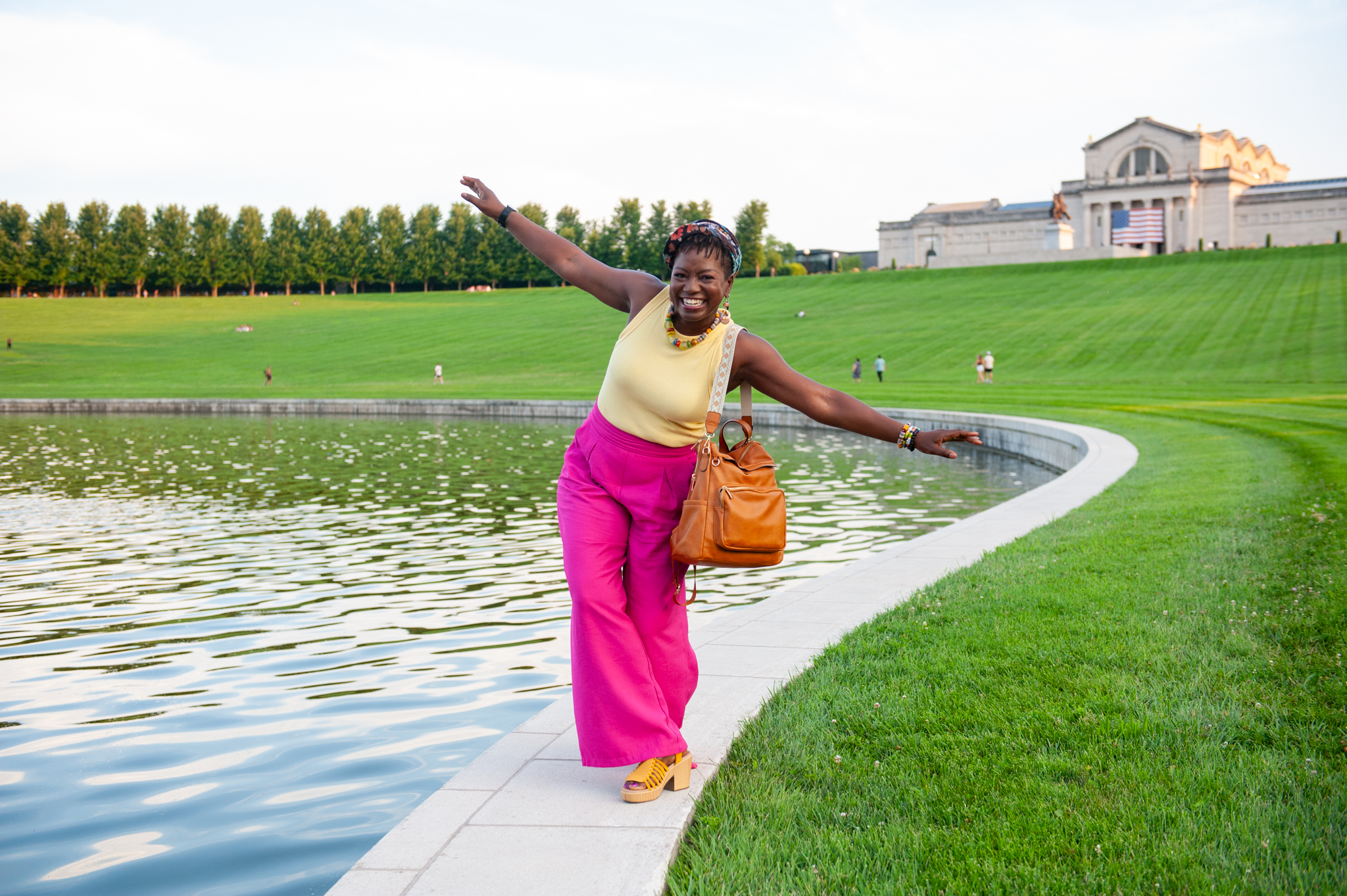 Photo credit: Lindy Drew / Humans of St. Louis
𝑊ℎ𝑎𝑡 𝘸𝘢𝘴 𝑎 𝑝𝑜𝑠𝑠𝑖𝑏𝑖𝑙𝑖𝑡𝑦 𝑡ℎ𝑎𝑡 𝑠𝑒𝑒𝑚𝘦𝘥 𝑡𝑒𝑚𝑝𝑡𝑖𝑛𝑔, 𝘢𝘯𝘥 𝑦𝑜𝑢 𝘸𝘦𝘳𝘦 𝑠𝑐𝑎𝑟𝑒𝑑 𝑡𝑜 𝑡𝑟𝑦?
“Playwriting. And in this class I was taking, they wanted us to write and share. Writing, I’m very nervous about doing. I’ll get there. But I was so nervous to write because it feels extremely vulnerable. You write something, your name’s on it, and it’s forever. Directing, people forget that ish. You direct a play, it sucks, and people forget it, even though the review is out there forever. But writing, I get caught up in my head. And I have other projects in me that I know I’ve got to put down. Like, I’ve got to write about my mom and dad. My mom had a clinic for 33 years in St. Louis named CHIPS Health and Wellness Center that served the uninsured and underinsured. In fact, I have a Regional Arts Commission (RAC) grant, which is gonna jumpstart me to write about it.
And something I’m fearful to try that I haven’t done yet is direct a movie. I’ve got to direct a film. I’ve got to get into that realm of storytelling. I know I’m supposed to. I’ve even said to some of my actors over the years, ‘I’ve got to direct a movie because I’m sick of you all changing stuff.’ I mean, I’ve said that to myself, too. We’re human, so things change day to day. My daughter hates sitting next to me after I’ve directed a play and I come back to see it because I’m squirming or holding onto my seat because I can’t believe what the actors are doing. But just like human beings grow and change, they mix stuff up, too, to do different things on stage. So I’m gonna direct a movie so it’s edited and that’s the story I was trying to tell and it can’t be changed.
For now, I have this huge project in my head, which is why I’m so grateful to RAC because I can begin. And it’ll be bigger than talking about my mom’s clinic because it’s actually about my parents’ love story. They’ve been married 67 years. And my mom’s clinic, where my father was also the longest unpaid bookkeeper, is the offspring of their love story. You know, we called CHIPS our youngest sibling? She was 33, and she never got a job, but she gave a lot of people a lot of love. She’s another baby my parents poured into, and she poured into the community. The story starts there. Not only is it tempting to try and write it, but it’s inevitable. It’s necessary. It’s a must. I gotta do it.”
𝐼’𝑑 𝑎𝑠𝑘 𝑚𝑜𝑟𝑒 𝑞𝑢𝑒𝑠𝑡𝑖𝑜𝑛𝑠, 𝑏𝑢𝑡 𝑖𝑡 𝑠𝑜𝑢𝑛𝑑𝑠 𝑙𝑖𝑘𝑒 𝑦𝑜𝑢 𝑠ℎ𝑜𝑢𝑙𝑑 𝑡𝑒𝑙𝑙 𝑡ℎ𝑒 𝑠𝑡𝑜𝑟𝑦 𝑜𝑛𝑒 𝑑𝑎𝑦!
“Okay!”
Kathryn Bentley | @kathibentley
About Humans of St. Louis
Humans of St. Louis (HOSTL) is a 501(c)(3) non-profit organization with the mission of sharing photographic portraits and first-person stories to highlight local needs, issues, and experiences from people in the St. Louis region. HOSTL gives followers an intimate look into the lives and struggles of the people of St. Louis, one photo and story at a time, and is the second most popular “Humans of” site in the U.S. after Humans of New York.

Follow Us On Social Media