
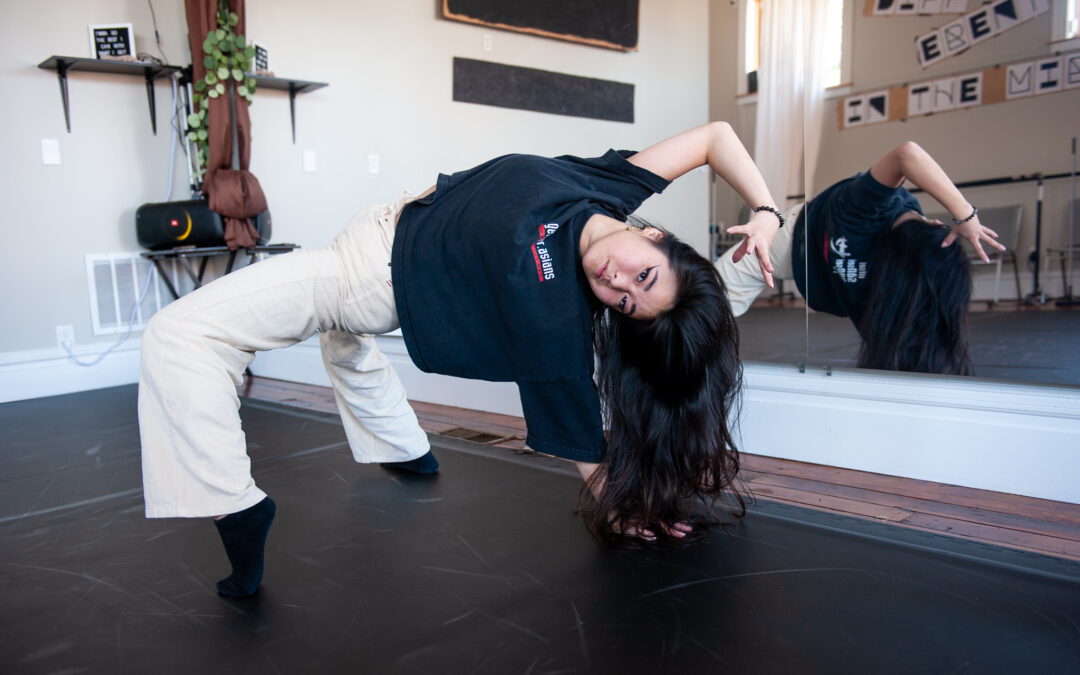
RAC is excited to partner with Humans of St. Louis to highlight stories from some of the talented creatives and artists who call St. Louis home. All stories and photography in the RAC + Humans of St. Louis series were created by and are credited to Lindy Drew, co-founder, lead storyteller, and book co-author of Humans of St. Louis.
Kyla Kikkawa
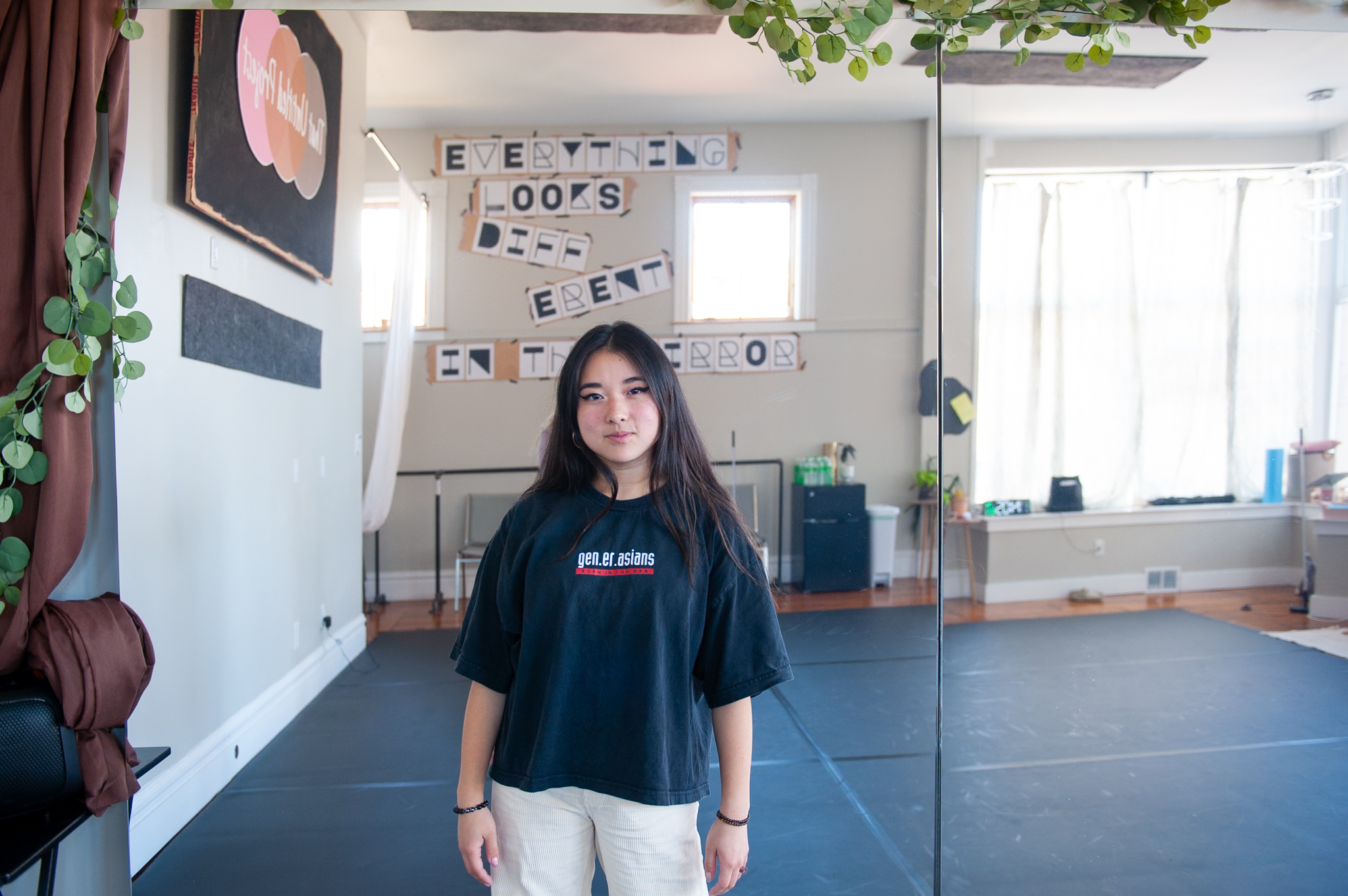 Photo credit: Lindy Drew / Humans of St. Louis
“I thought I was going to study dance and movement in relation to neurological and neurodegenerative diseases. When I was 13 years old, my grandma was diagnosed with Parkinson’s. She’s still alive at 98, which is wild because she had an operation that relieved her cerebral spinal fluid, and it really helped. Now, when I go back home to California, I still dance with her. I try to take her to classes, too.
I came to St. Louis because there was a program at Washington University that was like, ‘We’re interested in allowing exploration of the intersection between multiple disciplines to solve greater problems. Basically, not limiting a problem to a single discipline.’ I thought, ‘This is right up my alley. They study this here? That’s what I want to do.’ After freshman year, I was going to finally jump into that work over the summer, but the pandemic happened. Then everything was online. As a sophomore, I had one in-person class per semester. I ended up taking an anthropology class called Music, Sound, and the Body with Esther Viola Kurtz, a professor who does research about capoeira. That’s how I found myself doing a research project that introduced me to KRUMP.
I had met Krumpers at the WashU underpass, which they called the tunnel spot, where students paint murals for their organizations and hang out. I don’t even know what happened, but I somehow blacked out and hopped in the cypher. Afterwards, they were like, ‘We’ll add you to our Facebook page.’ I’d been interested in this dance style for a long time. So I ended up reaching out to the admins, like, ‘I’m interested in learning. I’ll pay for lessons.’ Since then, one of them has been my big homie, my mentor.
I began interviewing dancers about the background of the KRUMP community here in St. Louis while also trying to incorporate this dance style into my own dance framework. So I mixed things together, got into my body in terms of expression and comfort level, and my center of gravity became krumping to R&B music and to KRUMP tracks, because that also has its own genre of music. I took lessons with Tyrus Watson, a.k.a. SmallTalk, a.k.a. X/O. Over time, he gave me the name Princezz. So now I’m also known as Princezz X/O. I’ve been in the KRUMP community ever since, and it’s been my first real community in St. Louis.”
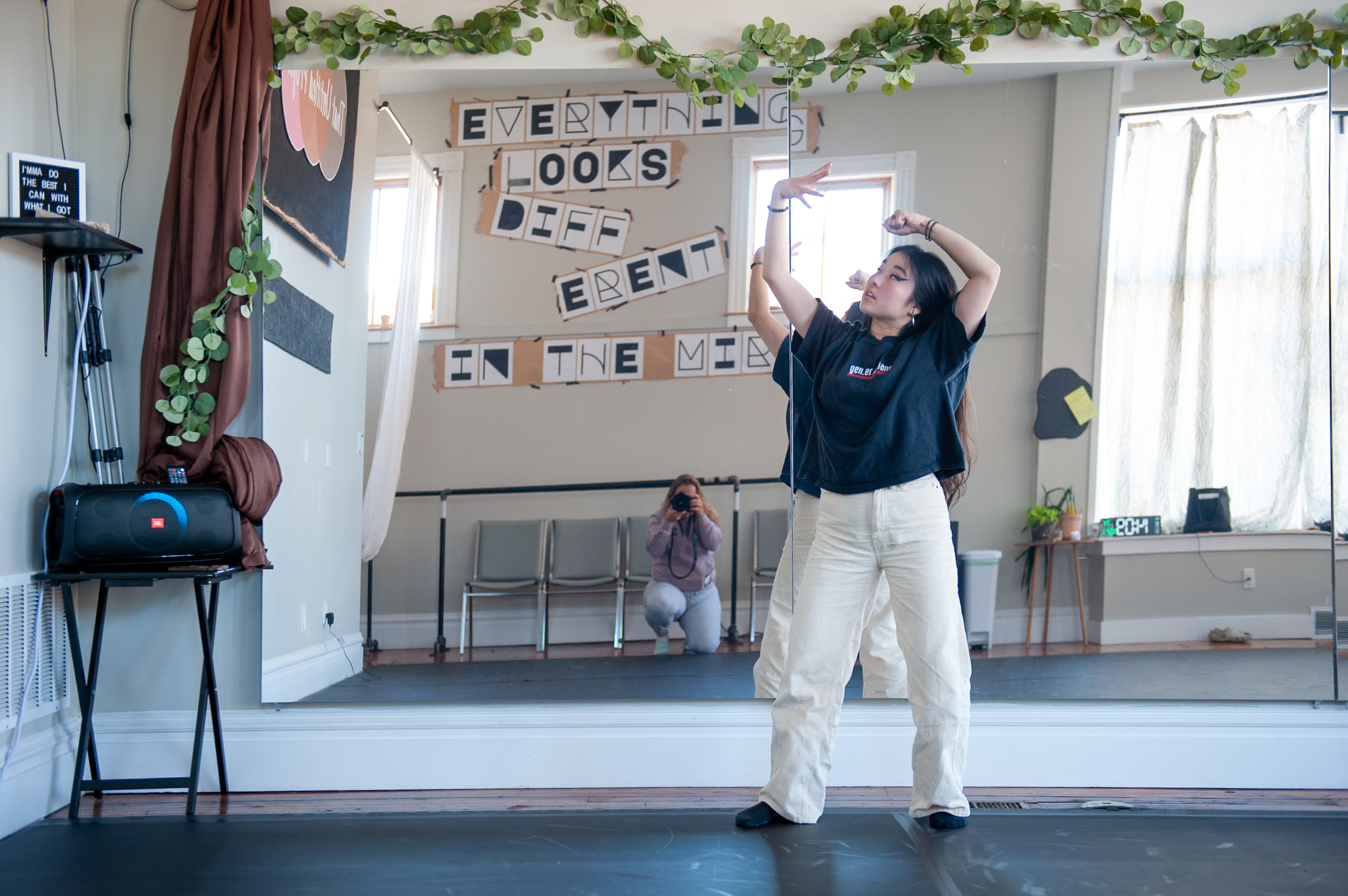
Photo credit: Lindy Drew / Humans of St. Louis
“I was always drawn to KRUMP. I just didn’t know if I could do it. Luckily, my mentors and the Midwest KRUMP community have shown me a lot of love over the years. Some have been dancing this style for a long time, and I’m super biased, but everybody’s incredibly creative. That said, they’re also a goofy group of people. KRUMP is an acronym that stands for Kingdom Radically Uplifted Mighty Praise. It really highlights the roots in praise dance and the connection to spirituality. Oftentimes, people will say they know the word or what’s being done when it’s danced. But they’ll connect it to the action of getting crunk.
Historically, the style’s pretty new, having only been around for about 25 years. And in St. Louis, the movement started around 2008-ish. Seeing the Krumpers in the club is my favorite. It doesn’t happen often, but when it does, it brings me so much joy. Especially when the whole cypher is doing the same thing.
I’ve been thinking about what my next steps are as an artist, and I’m interested in exploring the cypher and concentric circles across different cultures. The cypher was originally coined as a manifestation of Hip Hop, a space of possibility where freestyle would manifest, whether it’s rapping, dancing, or just expression in relation to the music’s beat. So, we cypher in KRUMP. And when all the energy is facing in, a lot of attention and energy can accumulate in that space. When we’re in that orientation, we’re all watching somebody dance, we’re feeling them, and we pick up quickly on what they’re doing. So if they do a move once, we’ll be there the next two times it happens. In KRUMP, there’s also a thing where anything done three times or repetitively is called a bang. So sometimes that’ll happen. But, overall, there are certain moves where, when the energy is high enough, the repetition is powerful.”
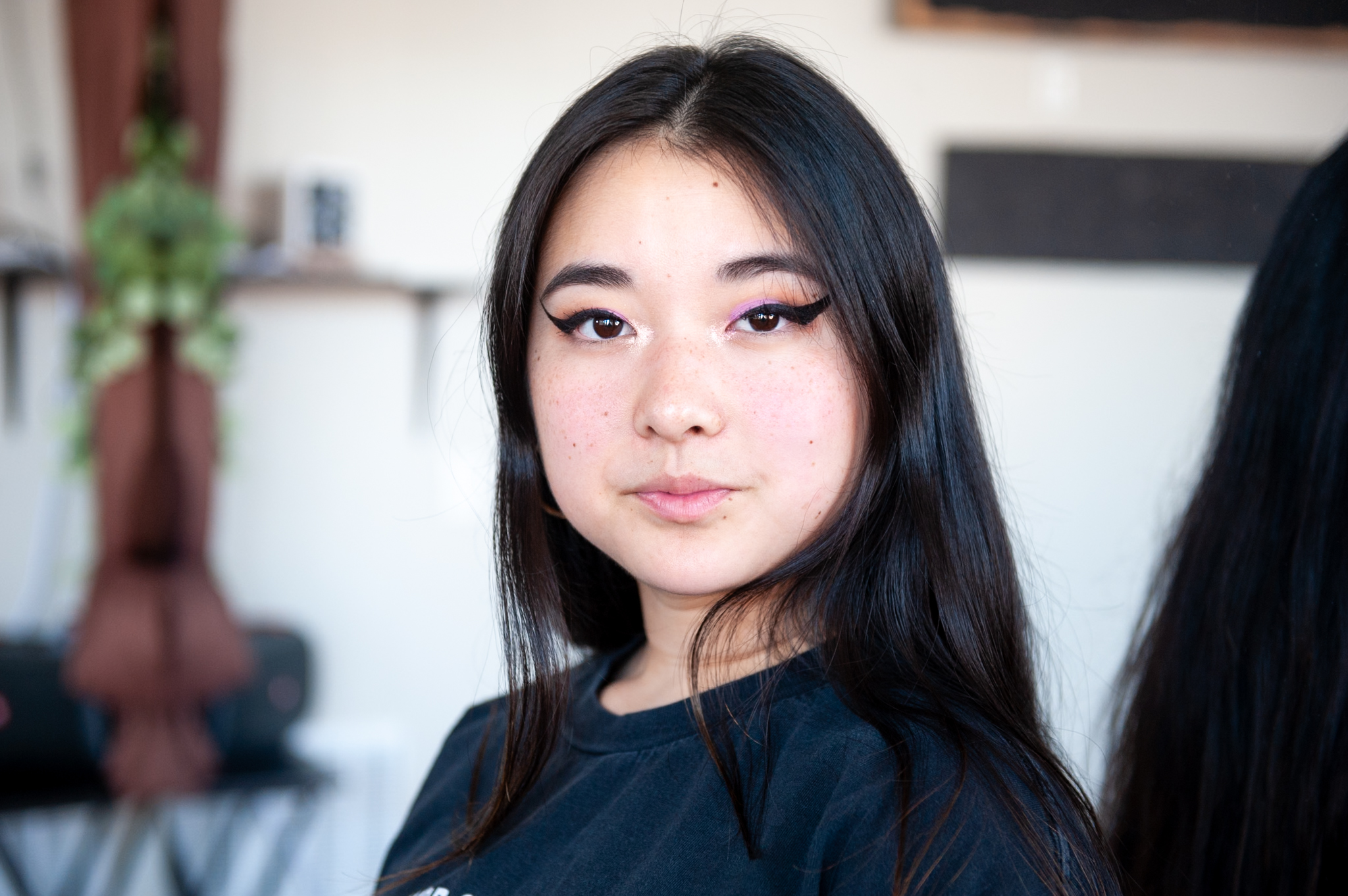 Photo credit: Lindy Drew / Humans of St. Louis
“None of my time in college was ever linear, and I had this traumatic experience within my first three weeks there, but I didn’t psychologically feel the fallout until over a year after the event. I was trying to push through whatever was happening, not really connecting with anyone. I found myself just running and continuing to run. I was doing dance, a cappella, and musical theater, staying busy by taking classes across multiple schools. Then the pandemic made me stop. Even though my mind took some time to catch up, that’s when I started to feel the impact of what happened to me in my body.
I was in physical therapy for 10 months. Then I was having psychological symptoms of trauma, which I was dealing with in my sophomore year and beyond. There were times I felt like I was just surviving. And, honestly, KRUMP saved my life from where I was. I was trying to learn different ways of feeling music, and being in touch with and feeling autonomy over my body. I wanted to use dance to express myself to the fullest extent. And all of this coincided with me also learning KRUMP.
The community knew I was showing up for a reason, but they were never like, ‘Oh, you got something going on.’ Their response was just affirming. I’m a small Asian female from California who had never Krumped before, which is ironic because it started in LA, and I grew up in LA County. But the dancers never questioned me or what I was going through. They mostly saw that I was eager to learn. I felt like I didn’t necessarily get the help I needed in other places. And instead of feeling like I had to explain to myself what was going on with me, I danced. I took a lot of pride in watching how the Krumpers expressed themselves and evolved in their styles. And I came to learn that they moved energy through space to connect to the past, the future, and with their ancestors.”
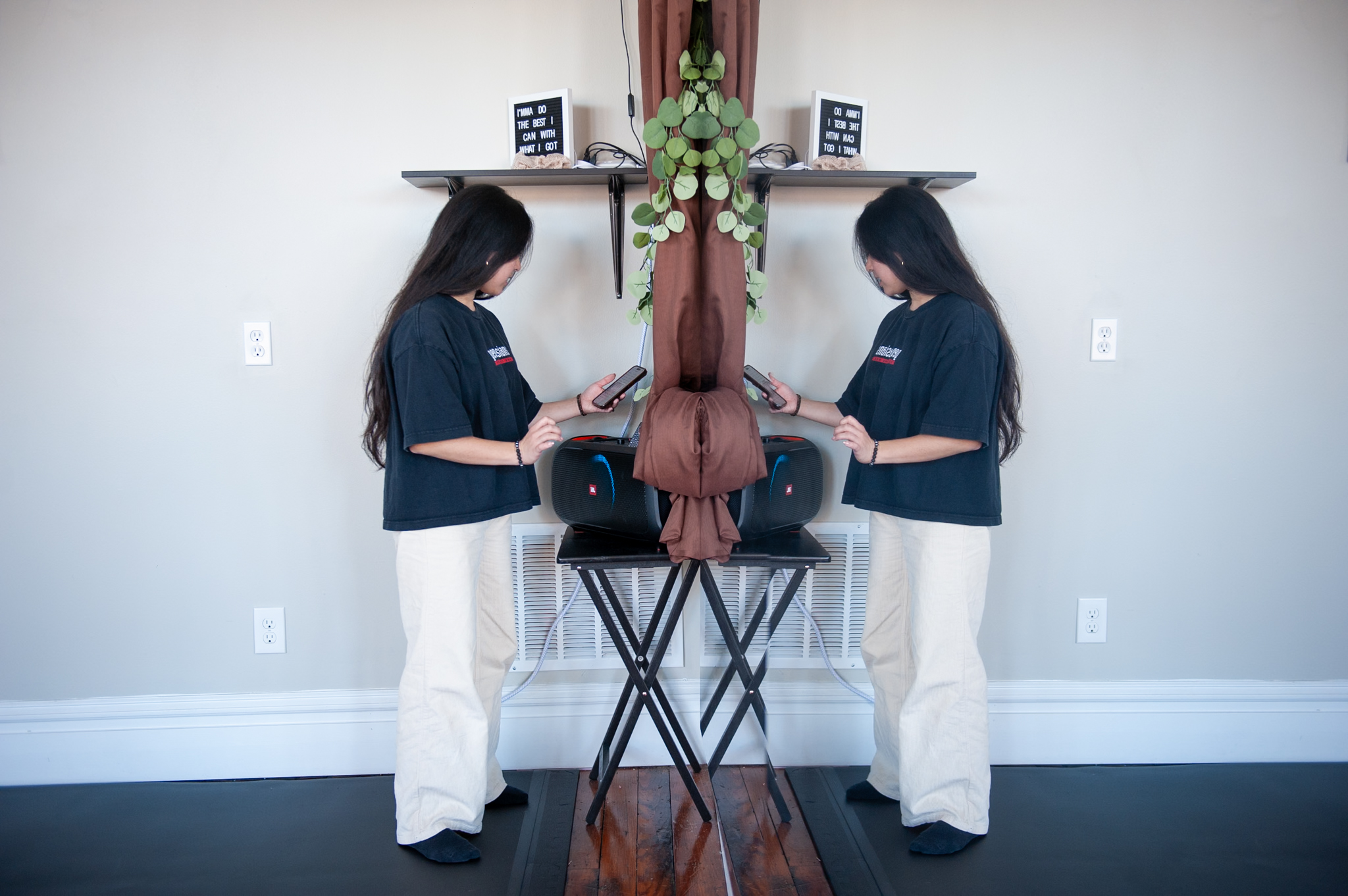 Photo credit: Lindy Drew / Humans of St. Louis
“In LA, the KRUMP community always tells me I’m welcome there, which is lovely. When I first went to visit, they were wondering, ‘Where did you learn to KRUMP?’ I’d tell them, ‘The Midwest. St. Louis, Missouri!’ To which they’d ask, ‘People do that there?’ It’s international now, which is beautiful because I studied abroad during my junior year and focused a lot on dancing. I took two dance courses. One was an introduction to somatic studies, and the other was a class I took in Chile. For the latter, we had a reggaeton unit, a dance hall unit, a hip hop unit, and we danced to house. That was the vibes. Our profe, our teacher, was also getting a master’s in education with an emphasis on neuroscience. I was like, ‘Cool!’ I recently found a video of me talking for like an hour in Spanish, trying to explain something or another. All this time during my education, I really tried to go from depression to long-term potentiation and bigger systems change in my brain. It was a lot. Then I realized I couldn’t do what I was trying to work through, especially in another language. Still, people listened, which was a beautiful thing, too.”
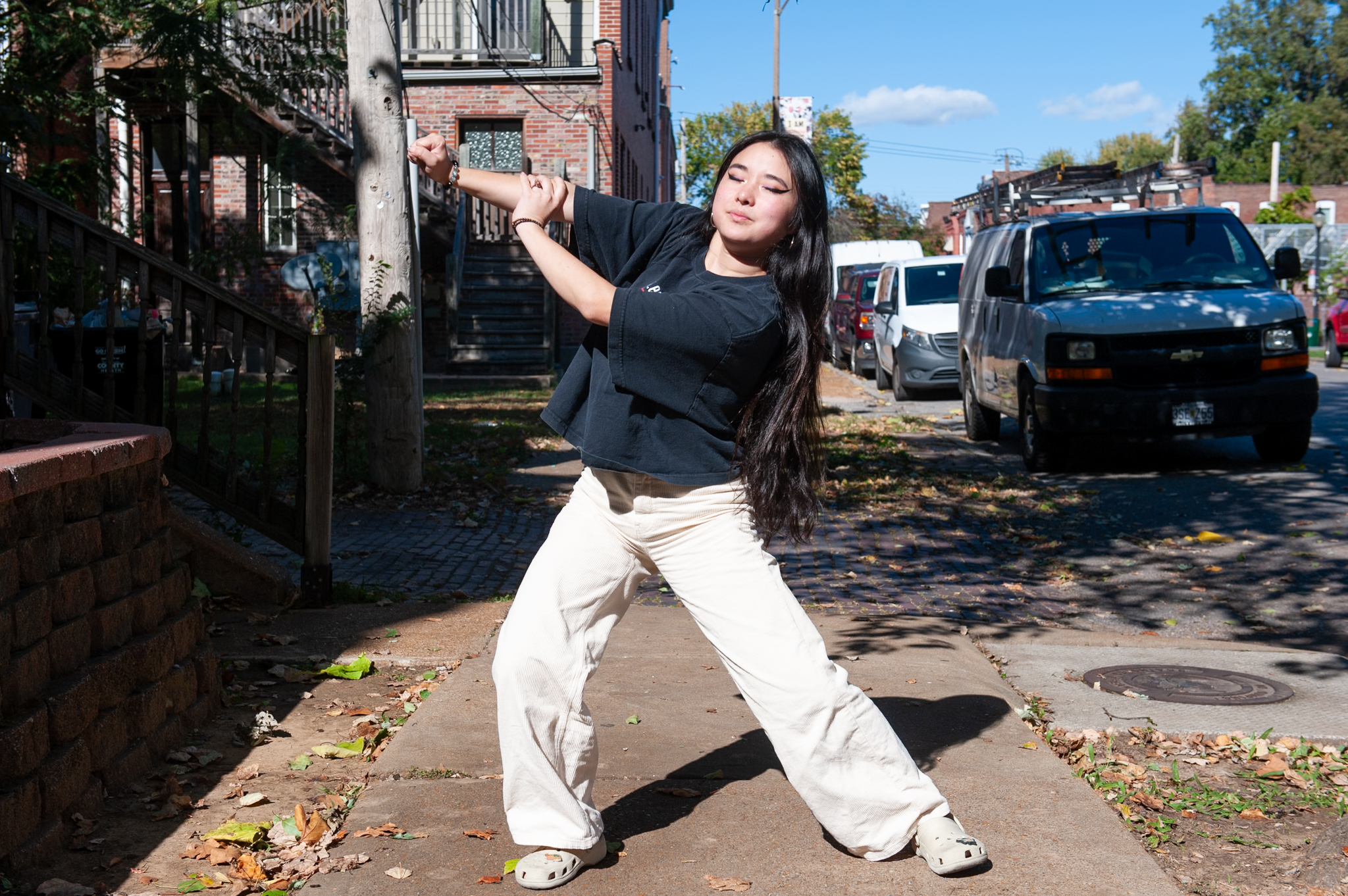
Photo credit: Lindy Drew / Humans of St. Louis
𝐻𝑜𝑤 𝑑𝑖𝑑 𝐾𝑅𝑈𝑀𝑃 ℎ𝑒𝑙𝑝 𝑦𝑜𝑢 ℎ𝑒𝑎𝑙?
“I identify as a fourth-generation Japanese American. My family experienced World War II in the U.S. and Japan. And there was a lot that wasn’t always talked about. So I feel like I’ve inherited a lot of blockages in terms of expression as it relates to my lineage and even my experiences. As a result, when I was going through some tough times and feeling uncomfortable talking about things, KRUMP was helpful in not needing to have words. KRUMP is a lot more linguistic than other dance styles. There are basic steps and other components, but we can immediately move to show different forms of expression, such as using our hands as language. On top of that, our hand movements are used to talk. In KRUMP, you can have so many conversations within the framework, and the nature of how physical it is, down to our hands. A conversation is happening. There are interactions back and forth. Maybe there’s a call and response. And there’s a lot of interacting with the self, with people around you, and with a greater spirit to say what you need to say. All the while, you’re building sentences through what you’re doing.
The hand movements mean different things, and where you are in space means different things. Sometimes when someone’s dancing, and people say, ‘I hear you,’ it’s not because someone’s talking out loud like with spoken word or rap, yet they’re still communicating. There’s so much seeing, feeling, and connecting in KRUMP. Especially when dancers really need to meet up, get something off their chest, and cipher. They could talk later about what’s going on inside of them if they wanted to. But Krumping is more about being able to have a space held for them to release whatever they don’t feel comfortable talking about. And, yeah, to do all this in a way where people hear what you’re saying without saying any words is wild to me.”
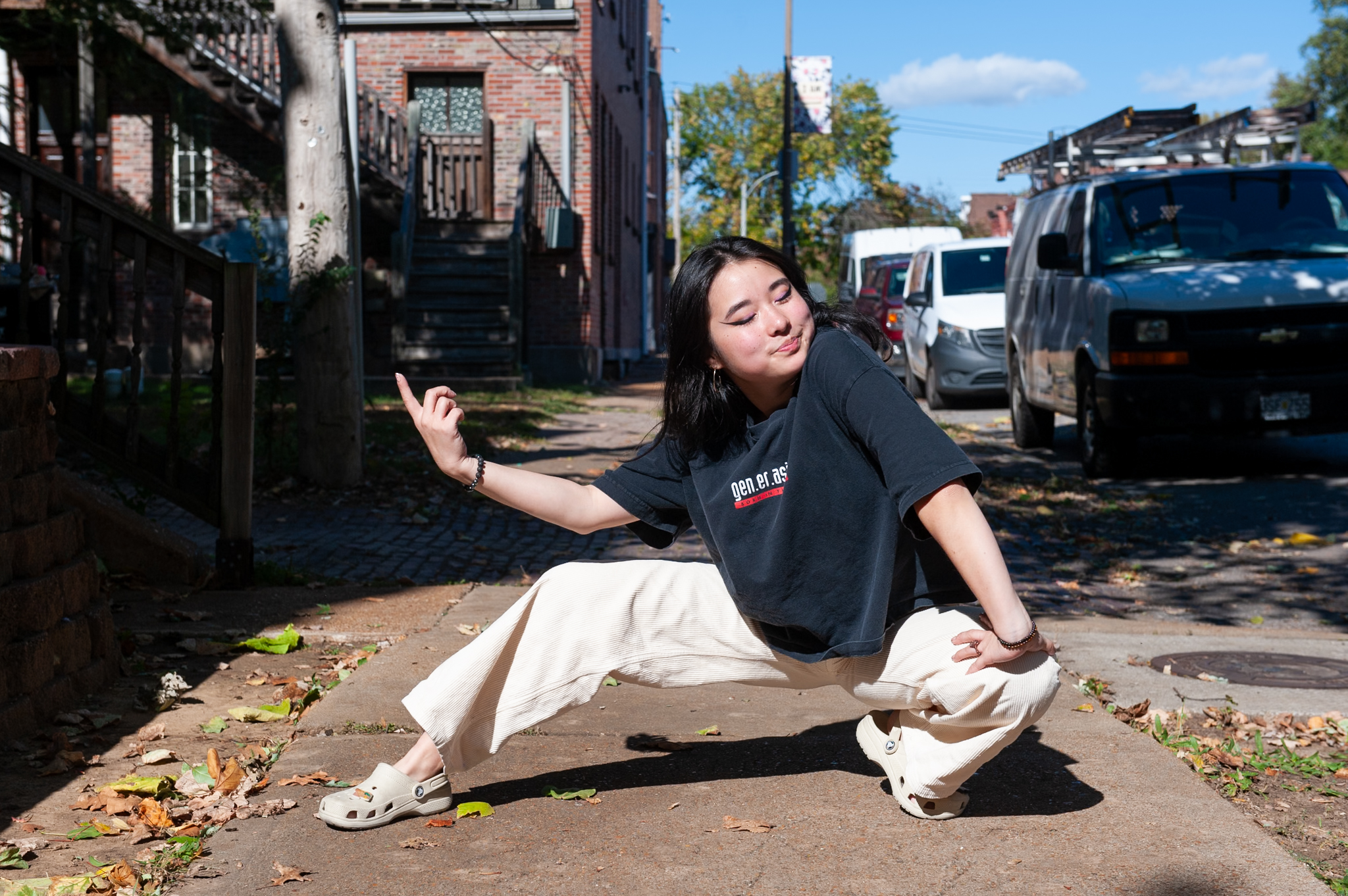 Photo credit: Lindy Drew / Humans of St. Louis
𝑊𝑜𝑤! 𝑀𝑦 𝑤ℎ𝑜𝑙𝑒 𝑝𝑟𝑜𝑗𝑒𝑐𝑡 𝑖𝑠 𝑙𝑖𝑠𝑡𝑒𝑛𝑖𝑛𝑔 𝑡𝑜 𝑝𝑒𝑜𝑝𝑙𝑒 𝑡𝑎𝑙𝑘. 𝐴𝑛𝑑 𝑦𝑜𝑢’𝑟𝑒 𝑙𝑖𝑘𝑒, “𝑊𝑒 𝑗𝑢𝑠𝑡 𝑑𝑎𝑛𝑐𝑒 𝑖𝑡 𝑜𝑢𝑡.”
“Yeah! And sometimes that’s where the KRUMP world and the dance world actually run into issues because people are talking too much. The world’s problems can’t be solved through dance battles. But a lot of things can be because it offers a space for conversation, release, and improvement. And it can do a lot of healing. Cyphering with others, moving energy in space, learning from each other, and pushing each other definitely makes me feel this overwhelming sigh of relief.”
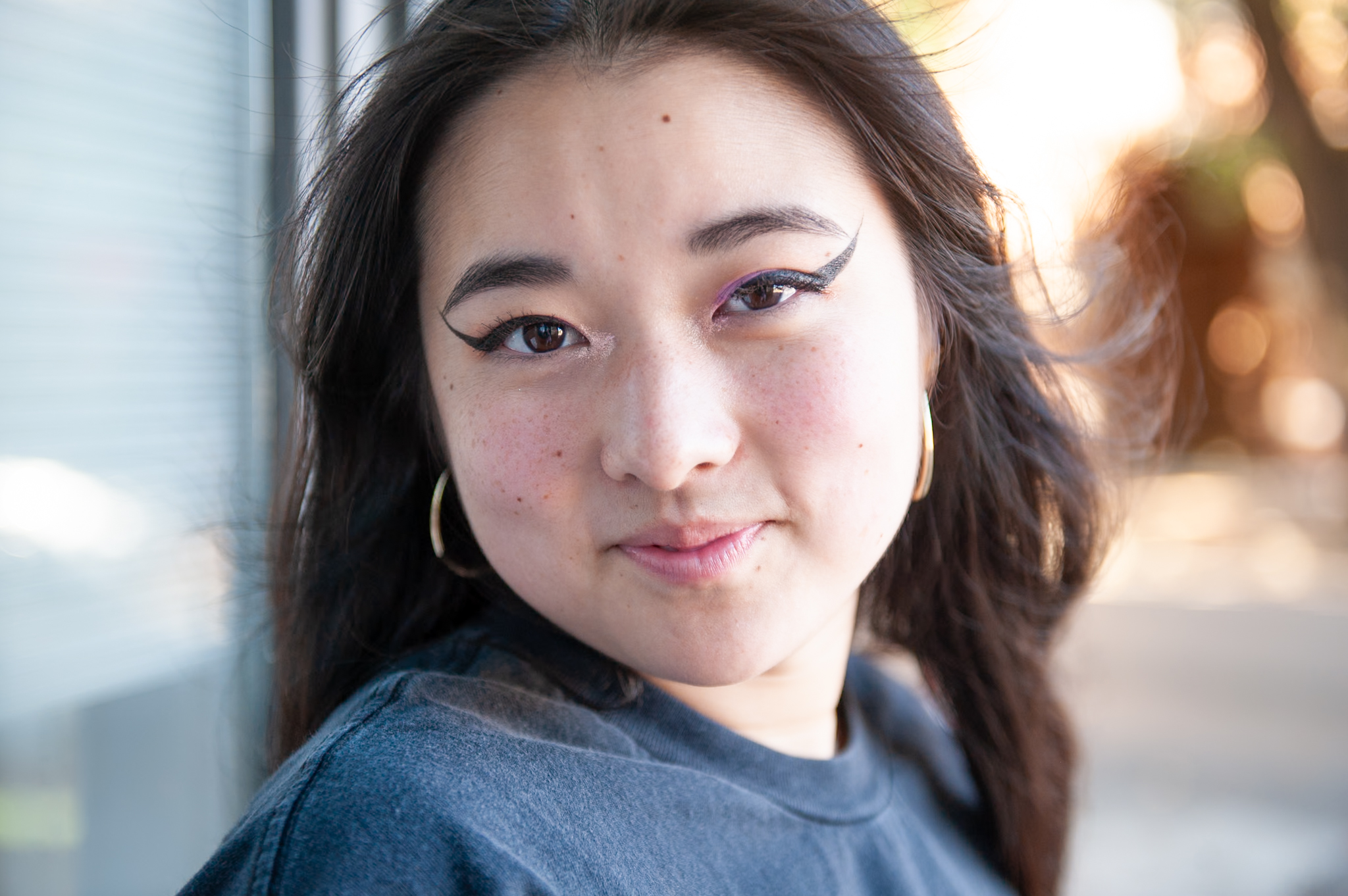 Photo credit: Lindy Drew / Humans of St. Louis
𝑊ℎ𝑒𝑛 𝑒𝑙𝑠𝑒 𝑖𝑛 𝑦𝑜𝑢𝑟 𝑙𝑖𝑓𝑒 𝑑𝑜 𝑦𝑜𝑢 𝑓𝑒𝑒𝑙 𝑙𝑖𝑘𝑒 𝑦𝑜𝑢 𝑑𝑜 𝑤ℎ𝑒𝑛 𝑦𝑜𝑢 𝑑𝑎𝑛𝑐𝑒?
“I feel it when I meet with people who are wiser and older than me. And when they can reflect things back to me in our verbal or written conversation. I especially feel it when I can ask them questions they haven’t thought about before. I like to ask random questions. When I can make somebody think differently about what they regularly talk about, I feel very seen and proud of myself. I identify as neurodivergent, so sometimes social cues and I will fight with each other. Sometimes I’ll dive into asking questions too deep, too fast. But usually, people are receptive to it. I have a notebook I bring around with me, and I’ll ask people things like, ‘What shape is time?’ That’s just me doing some qualitative people research, you know?”
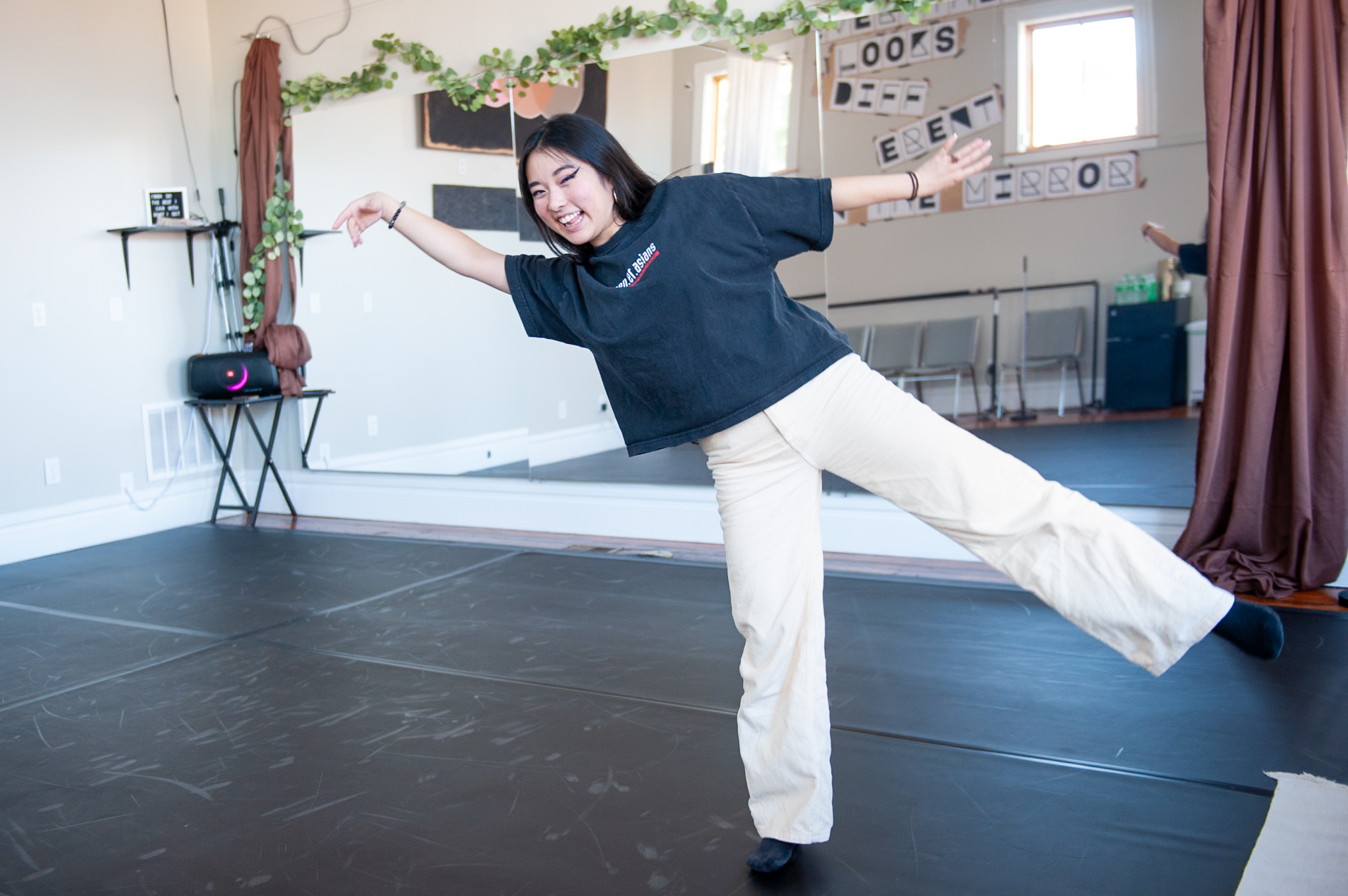 Photo credit: Lindy Drew / Humans of St. Louis
“Having random conversations in Spanish, I’ll tell people, ‘I only speak English and Spanish,’ and they’re always so confused. They’ll say, ‘But you don’t look like you do.’ And I’ll reply, ‘Yes.’
I love Latin America. My first trip to Latin America was to Nicaragua. My high school had a relationship with a sister school there, and I was supposed to go back, but the country had a political uprising. So when I studied dance at WashU, I was also studying Spanish and did a study abroad in Santiago de Chile. And while I was there, I scoured Chile for the Krumpers. I finally found them near the tail end of my trip. There was at least one KRUMP family somebody was building, so it was very new. But I got to meet up with them outside a metro station and session with them. Even though their community is smaller than in other places, connecting with them was so special. I’d been searching for months, and I ended up hitting up the leader — the big homie, the mentor of the fam — on Instagram. I was like, ‘Hey! I’m from the U.S., and I’ve been looking for y’all.’ At first, I asked one of my dance teachers, but she didn’t know anybody. As I got more comfortable speaking Spanish, I kept asking around until someone told me, ‘Oh, I’ve seen this one guy.’ What was really cool was that when I met up with him, he asked, ‘So how do my littles look compared to dancers in the U.S.?’ It’s great to still follow them and watch their progress.”
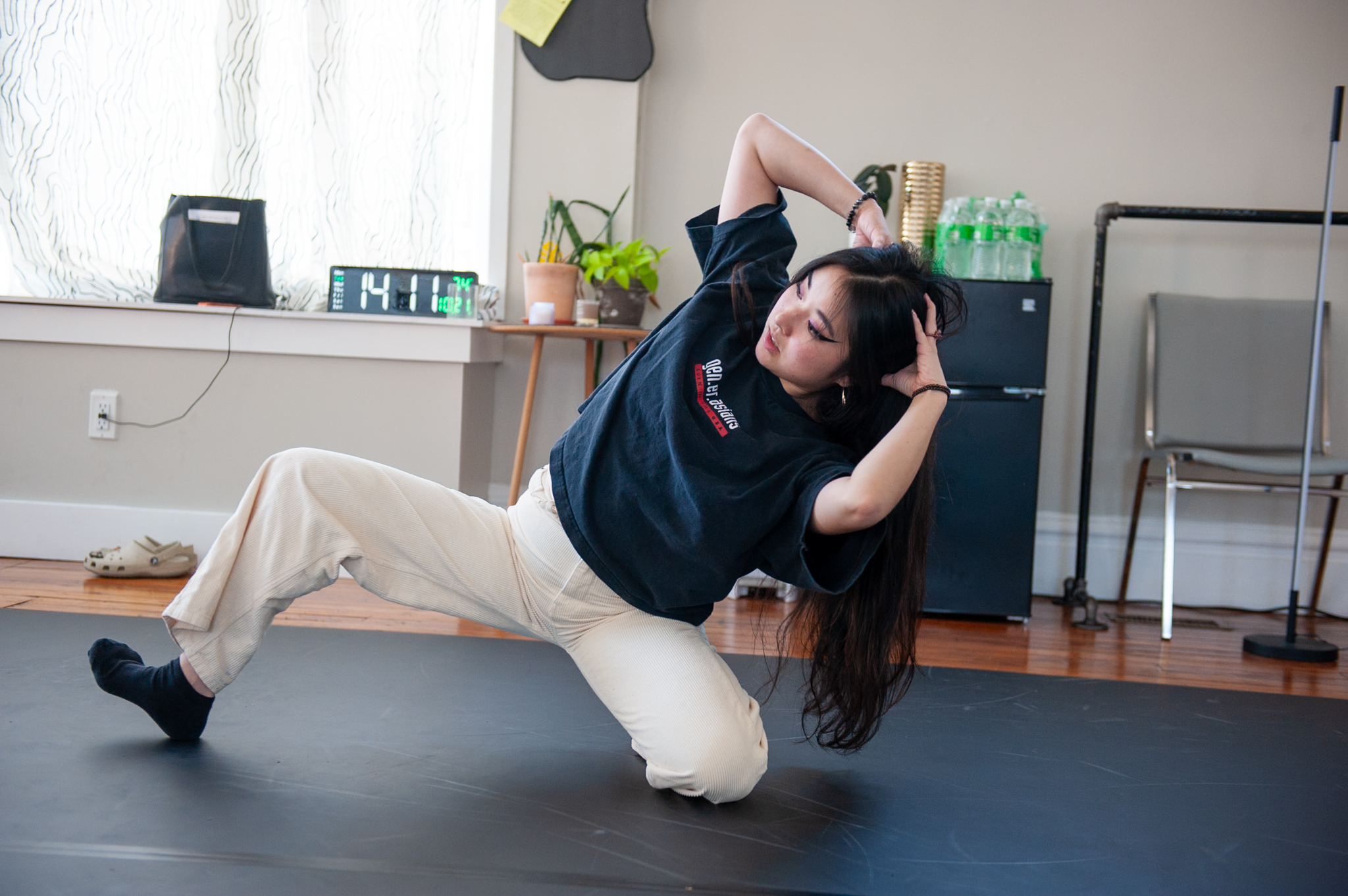 Photo credit: Lindy Drew / Humans of St. Louis
𝑊𝑎𝑠 𝑖𝑡 ℎ𝑒𝑙𝑝𝑓𝑢𝑙 𝑓𝑜𝑟 𝑦𝑜𝑢 𝑑𝑢𝑟𝑖𝑛𝑔 𝑐𝑜𝑙𝑙𝑒𝑔𝑒 𝑡𝑜 𝑡𝑎𝑘𝑒 𝑡𝑖𝑚𝑒 𝑜𝑓𝑓 𝑓𝑟𝑜𝑚 𝑆𝑡. 𝐿𝑜𝑢𝑖𝑠 𝑡𝑜 𝑙𝑖𝑣𝑒 𝑎𝑏𝑟𝑜𝑎𝑑?
“Yes, I needed to get away from the WashU bubble. I needed time away to process things, figure out how to be more in my body, live in the present, and appreciate new experiences. Actually, I was processing in Spanish for a lot of the time. And Chilean Spanish is so unique, too. I did do some dancing, mostly at the university, which was beautiful because they gave me the Mejor Compañera award, which translates to the Best Classmate. Then, when I came back to St. Louis to finish college, I think I had a bit of reverse culture shock. St. Louis cracks me up because if people don’t know you here or what your intentions are, there can be a hesitancy to connect. Then, once you mention something or somebody you have in common, there can be a lot of excitement, immediate trust, and comfort. That was actually quite similar to what I experienced in Chile.”
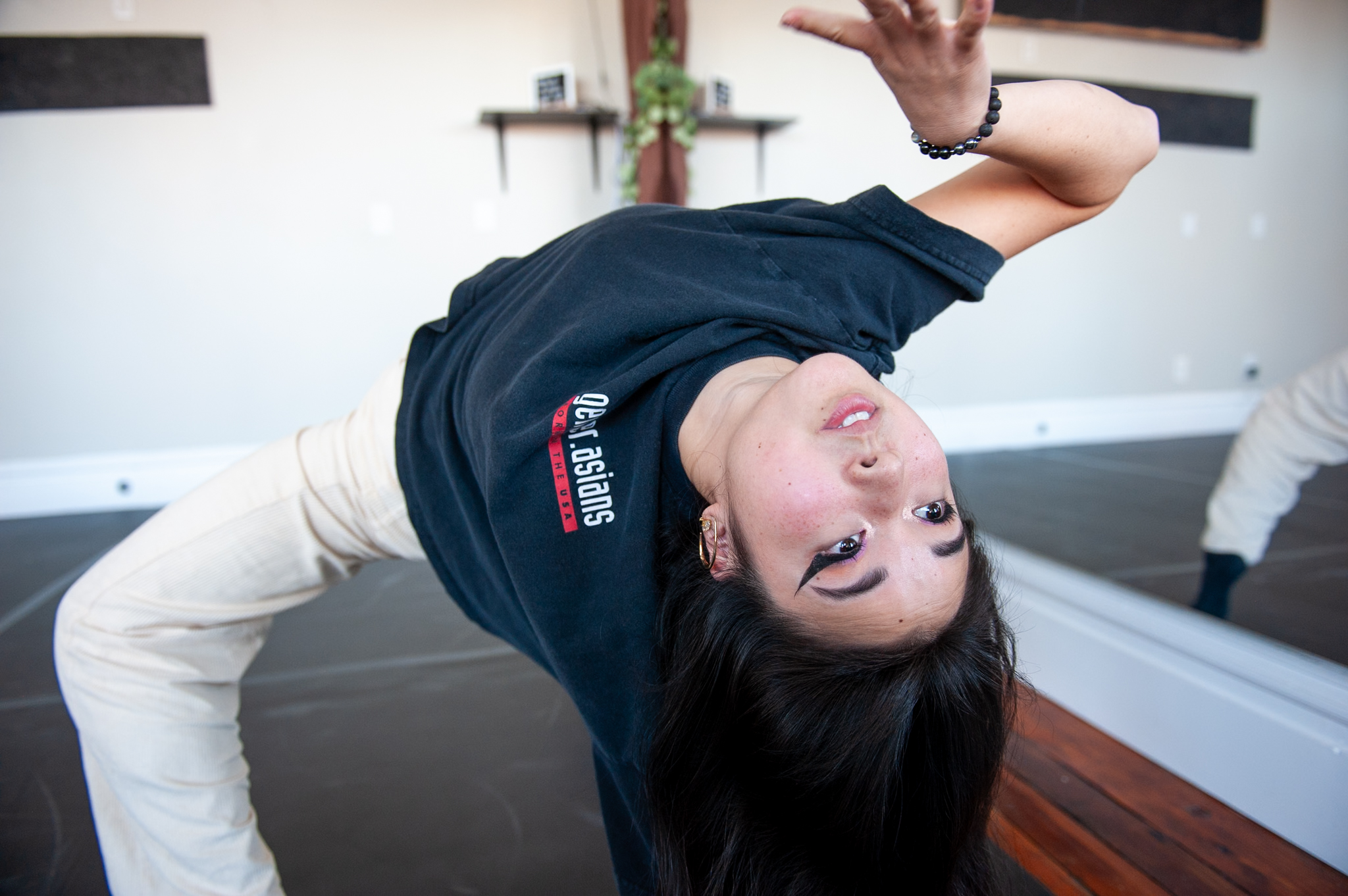 Photo credit: Lindy Drew / Humans of St. Louis
“I mentioned how I take a lot of pride in bringing up moments that hadn’t happened before with people who are wiser or older than me. Well, while I was in Chile, the coordinator for my exchange program had lived in the U.S. for some time and was giving a tour at a former detention center. And during the tour, he revealed to us that he was actually detained during the Chilean dictatorship at that site. I was interested in talking to him more, so we got coffee soon after. And I asked him, ‘What does dignity mean to you? Or, what is your definition of dignity?’ And he gave me an answer.
Later that night, he emailed me: ‘This question has been circling in my head. I gave you an answer, but I need to add another part.’ So he explained how dignity relates to one’s own physical circumstances. Then he added that it also pertains to how one perceives what their abilities and resources are, especially considering their lived reality of what’s possible. I felt so honored to spend time with him and then to hear back. How special that he wrote to say, ‘Thank you for helping me think in a new way.’ That was one of the proudest moments of my life. Because, for me, I came to understand that healing from intergenerational trauma is a global thing and that my silly questions may hold the power to inspire new perspectives about humanity.
There’s so much untangling that needs to be done throughout all of our lineages and, in particular, for minority communities in the U.S. Being Japanese American, I’m not always able to untangle all of that for myself. I dream about what it would be like to globally redefine what we consider to be humanity. And that might seem idealistic or far-fetched. But my small version of practicing that was kind of by asking this man that question. As somebody who was detained during a dictatorship, who saw some crazy things and then went on to retell them to people at the actual site where it happened, I was so curious to know more from him. That I could even open up a mind like his when he already had to open up his mind so much, and heal to the point of being able to publicly share his memories for the betterment of understanding the past so we can go into the future, that was impactful for me.”
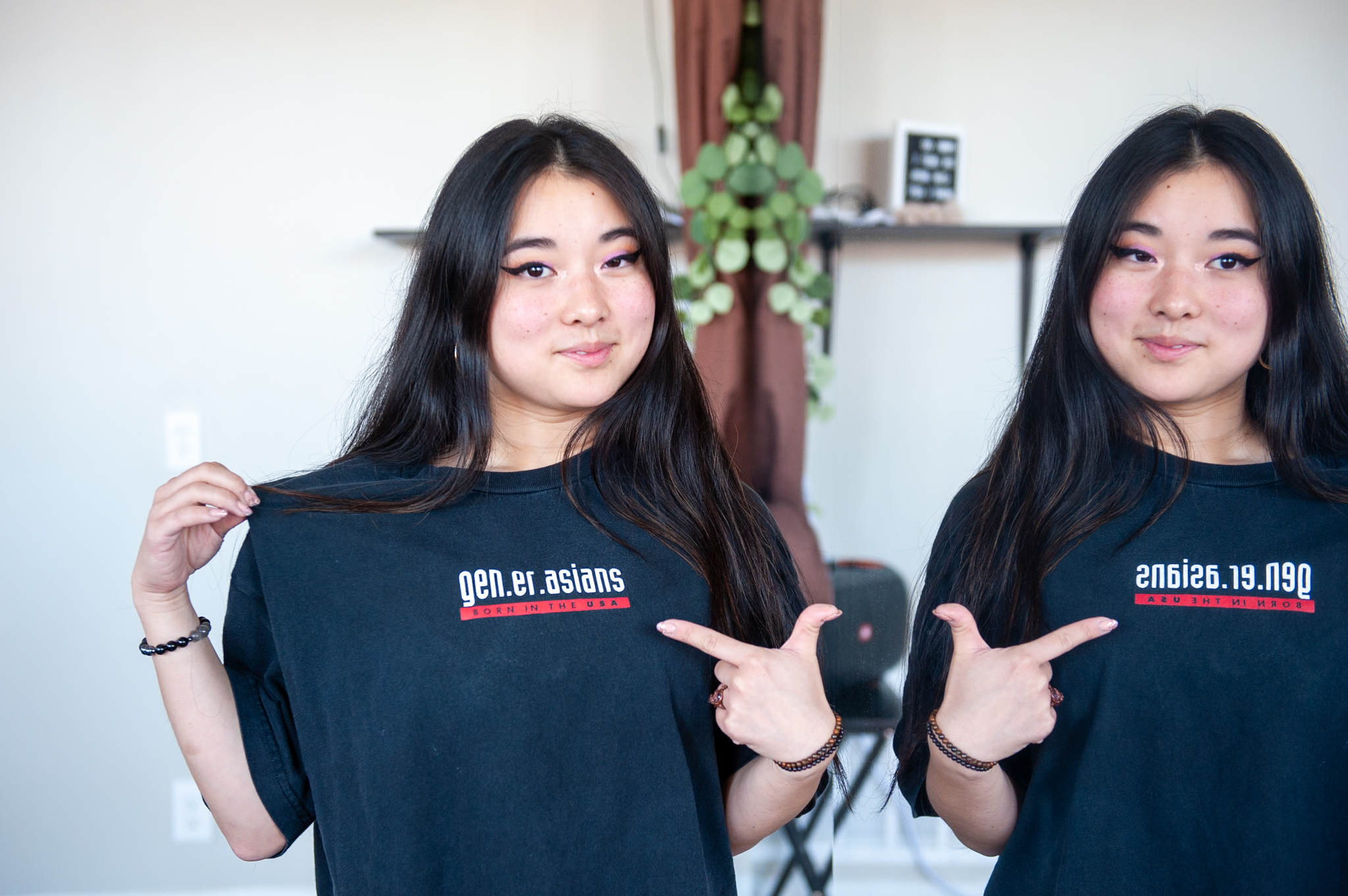 Photo credit: Lindy Drew / Humans of St. Louis
“I’m grateful to be able to look back at certain things in my family history and know that those things were true; they were factual. It’s not always the case that people can look back in their family’s history and say, ‘This is what I know is true.’ I know I’m Japanese American. I know I’m fourth-generation. And I know because I’ve had family around to tell me that, and family who were interested in documenting that.
My grandparents were all born in the United States. Two of them were interned during World War II, and two of them moved back to Japan and were stuck there during the war, even though they were American. Experiencing World War II as an American-born Japanese person was not great in either country. And for my grandparents in Japan, in particular, there was a lot they didn’t talk about. I had family members who were in the city when the A-bomb dropped and passed away from the impact of that. And my grandma and her sibling saw the plane before it dropped the bomb. That time in history feels so far away. Yet, I have somebody I’m very close to who witnessed that, felt the impact of it, lost a family member to it, and still struggles as a result. So I think a lot about the impact of intergenerational trauma in my family as it relates to nuclear warfare, citizenship, erasure, and loss. Being American and being in a Japanese military school, along with familial trauma experienced from nuclear warfare, the topic is delicate. I’ve seen the desire not to talk about it because it was complicated and complex as it relates to citizenship and coming back to the U.S. and making a family here.
I’ll explain to people, ‘I don’t speak Japanese because we lost that language with the third generation. People who were in the U.S. definitely weren’t learning or speaking it when they were interned because they were forced to surrender their ancestry. I mean, I had some family members who were moved to a different camp because they didn’t note on a questionnaire that they would surrender all of their loyalty to the Japanese government.
What’s so unbelievable about all of this is that one set of my grandparents was interned while my other set of grandparents came back from overseas to live in California. And my dad’s parents got married on the same day in 1953 as my mom’s parents. Plus, they both had their wedding receptions at the same venue. And no one in our family ever knew any of that until my parents were engaged. It’s funny looking back at pictures because both weddings had similar styles in the ’50s. I got a tattoo of the year to commemorate that story and that time. It sparks a lot of conversations when people say, ‘You don’t know anything about 1953.’ I’m like, ‘That’s fair. I didn’t claim to.’ But it’s a good conversation starter. And it’s a reminder for me of all of those histories and even the lives before them in our genealogy that led to that year.”
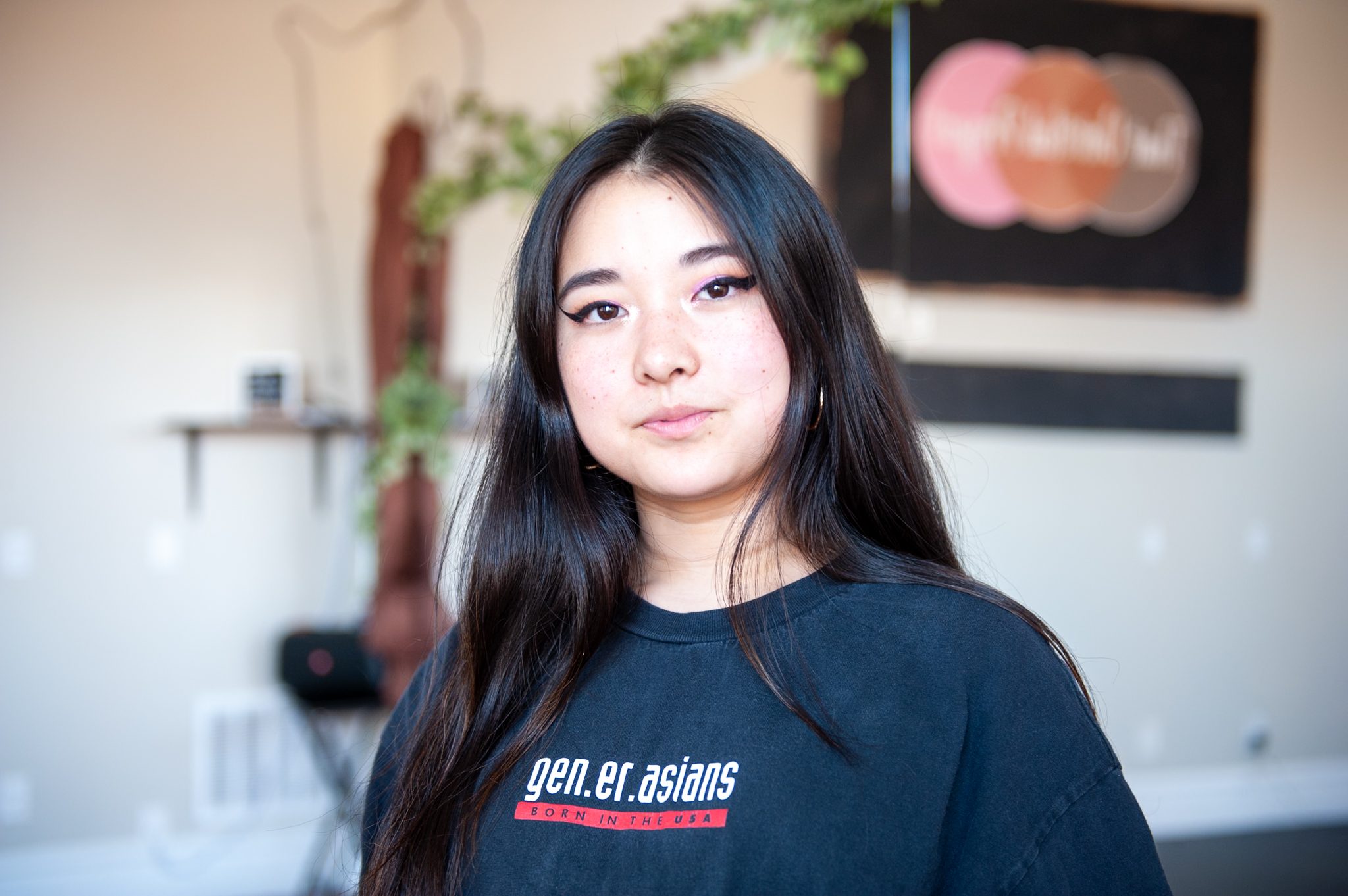 Photo credit: Lindy Drew / Humans of St. Louis
“It’s been a lot of putting pieces together in ways that feel central to understanding my family as it currently is. And as it relates to understanding how I feel in relation to other communities, other minorities, and the history of the United States. A lot of these things were never talked about in my family, so the stories weren’t transmitted. As a result, I was on a hunt for knowledge. Through my digging into the research, I came to the conclusion that the citizenship of my grandma’s sister was American, and we lost her to the A-bomb in Japan. Once I understood that, I understood why there was silence around it in my family. They were in survival mode to get through certain things. And then there was this push towards, ‘Okay, we’re gonna keep things very American, very light.’ It’s painful to explain something like that to younger generations. So it just never got passed down orally. I did find this shirt in my grandparents’ house, though. When I saw it, I was like, ‘This is mine forever now!’”
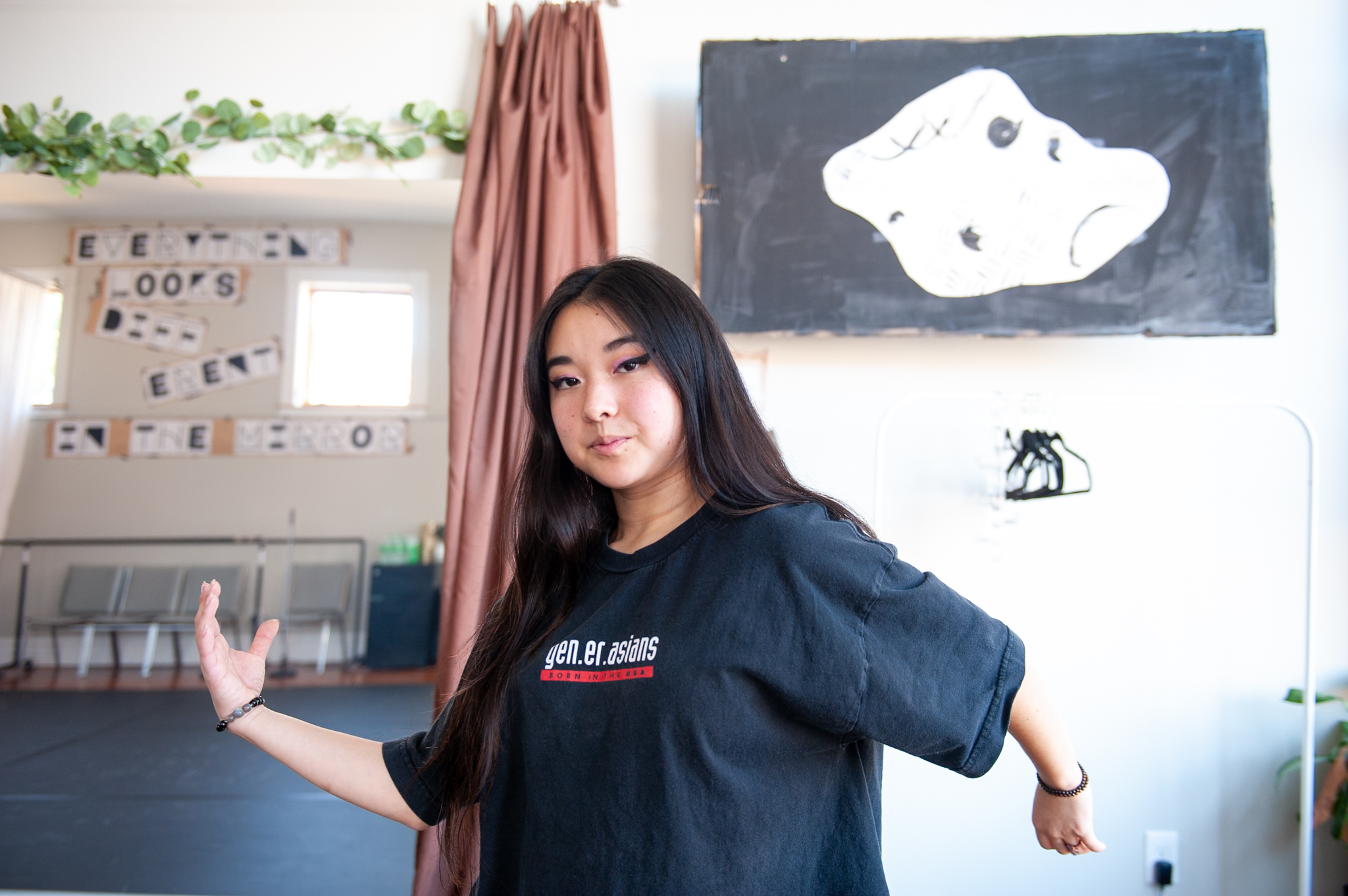 Photo credit: Lindy Drew / Humans of St. Louis
“I’ve kind of felt like the black sheep in my family. I’ll get very emotional about some of these things. Sometimes I’ll cry and feel grateful at the same time. It’s hard for my grandma and my parents to cry. And if I can cry, and they haven’t been able to, then that’s a bit bittersweet. But I’m hoping that through my passions and being intentional about the art I’m creating, I can bridge cultures and worlds. It seems like a lofty goal, but my dream would be to support efforts of breaking intergenerational curses or trauma through art and movement. In time, my hope is that I’ll be able to show my family, and they’ll understand. They do acknowledge that dance has always been my path in terms of finding myself. As it relates to my ancestors, in particular, I think about them not having the privilege to pursue artistry in this way because they were too in survival mode. Although I did come to find out that my grandparents, who lived in Japan, also loved to dance recreationally. And they did ballroom dance together. So, how special. But there wasn’t a lot of open emotional expression in those generations. That’s also why KRUMP and movement and me not needing to be confined by words are such a privilege. In thinking about my lineage, it’s an honor to dance because of the suppression in my Japanese culture that’s been present for more lifetimes than I even know.”
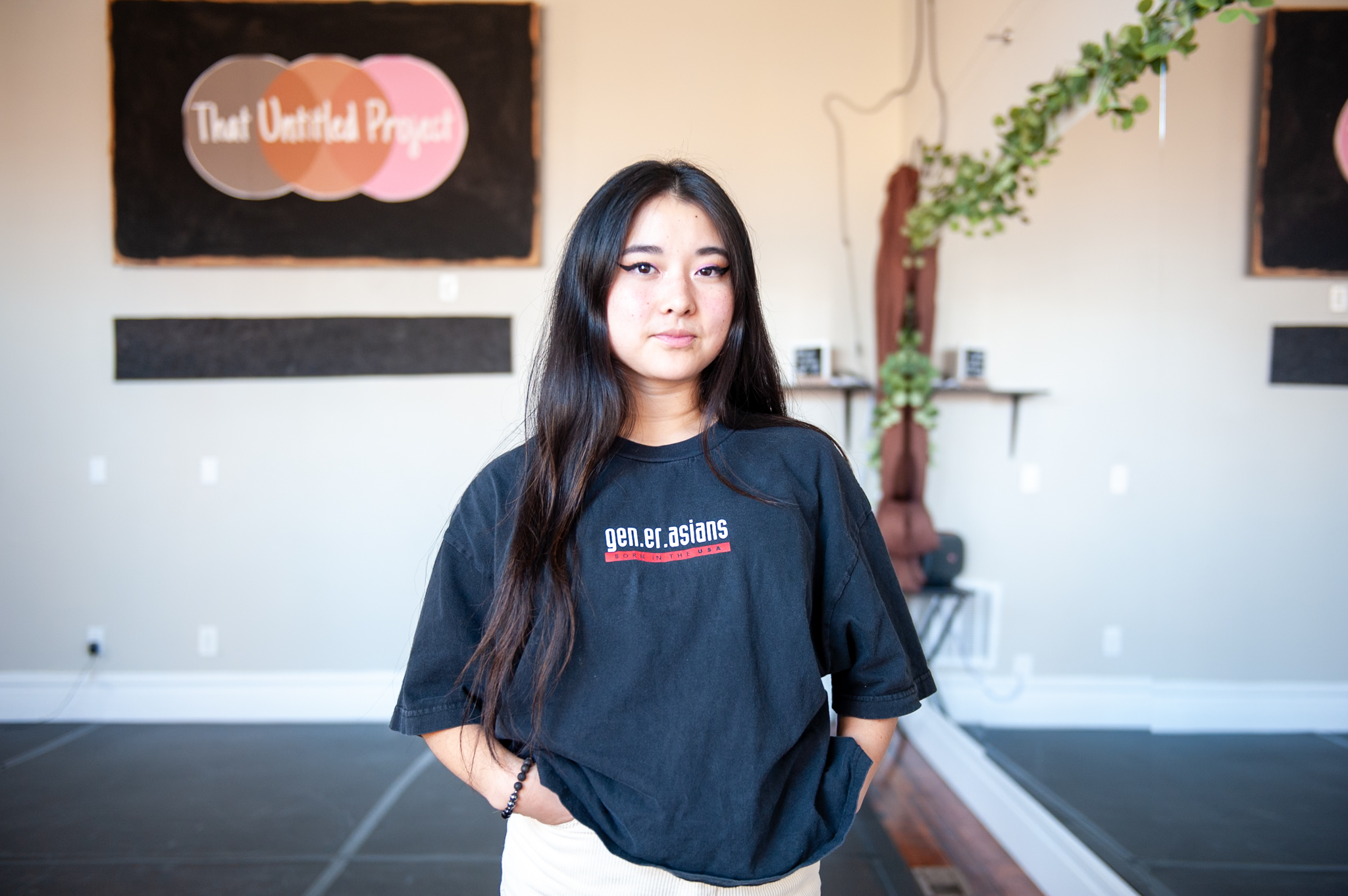 Photo credit: Lindy Drew / Humans of St. Louis
“Lately, I’ve been struggling with taking a leap to put some of my visions into reality. I’ve been studying large choreographic works on groups since college. I ran a team at WashU for a couple of years, working with 30 dancers to help them align with an appreciation for hip hop in history. And since then, I’ve been more on the freestyle side, helping dancers bring their visions to life, and bringing my dance style into other people’s choreographed works. So I’m trying to figure out, ‘Is that my main offer? How can I bring groups together to make something larger?’ I’m very much a fusion dancer. And in this space, at That Untitled Project, I was grateful to name my class Fusion Hip Hop, even though it wasn’t just that. I dance other street styles, too, so we also talked about the geographical and historical origins of many things relating to dance.
What resonates with you is what’s most important. Because there’s so much controversy in the world, when you’re attracted to something, keep that spark and follow it. So, for me, I’m thankful to have connected with others who are also looking at their lineages. And I enjoy figuring out how to connect the dots. I’ve been in more conversations with people passionate about showing the impact of dance as it relates to holistic wellness and mental health. It would be cool to champion movement as a tool for healing in our community in St. Louis, too. St. Louis has shown up for me when it comes to my own personal development and intergenerational healing. Things can be so tough here. And having lived here, I see it and want to fight for this place. I also want to fight other people when they don’t understand it.”
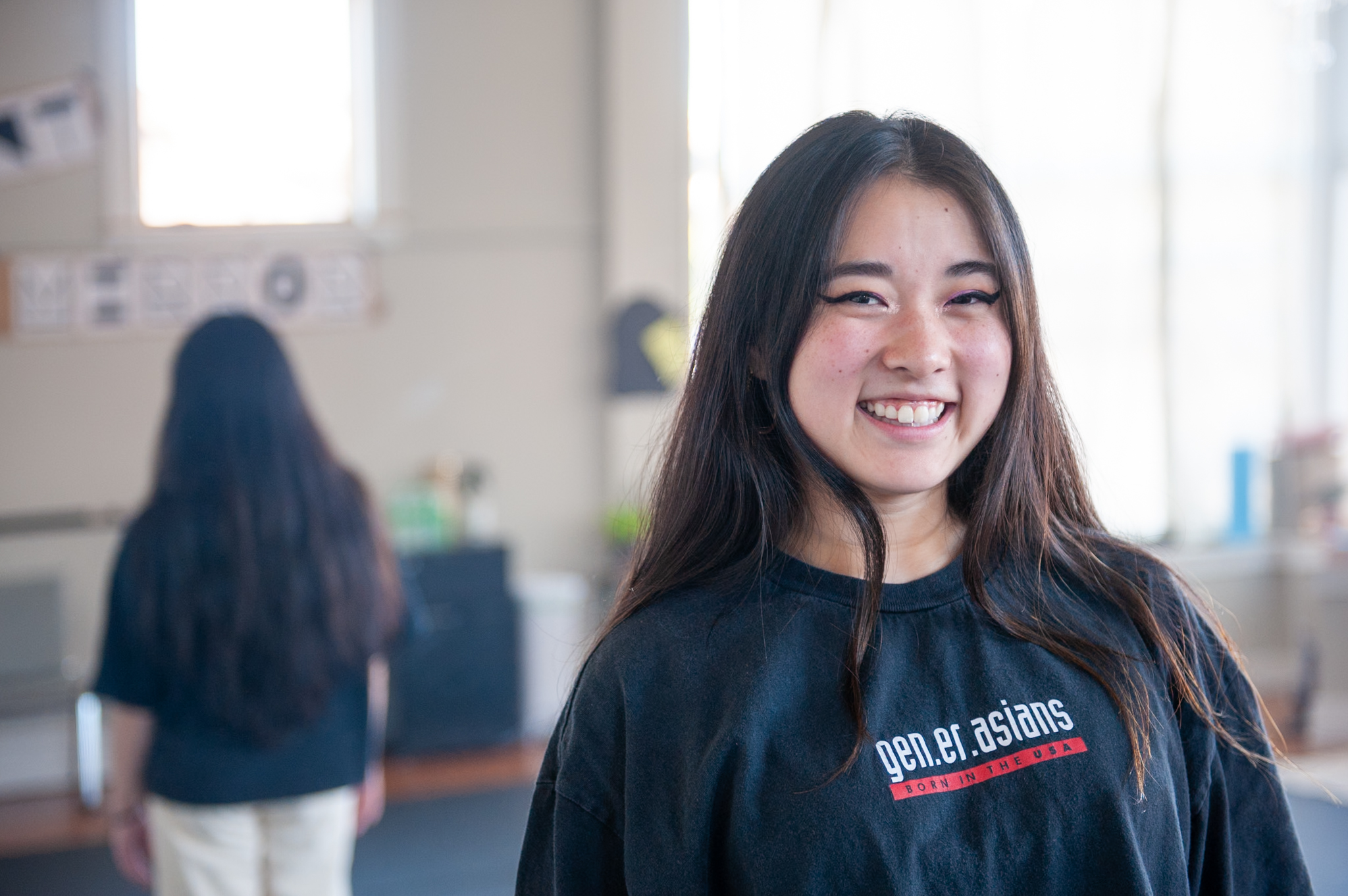 Photo credit: Lindy Drew / Humans of St. Louis
“Through mentoring youth, it’s also been beautiful to show them that their art is valuable. I knew a 17-year-old who had lost her mom to drug use and who I low-key considered adopting at one point. I considered it, but I was 23, and it just wasn’t the right time. Still, we really connected, and it felt good to be there for her when she’d reach out. Having at least one trusting relationship with an adult will make a huge difference. And that’s what I was for her in her time of need. She’s such a talented artist who really wants to help everybody around her, to see the people she loves have everything they want. And I have these words to say about her now because recently I had to write a reference for her. She reached out to apply for a housing program. She’s 18 now and was like, ‘I’m really proud of myself. I applied. Would you write me a reference?’ And since then, she moved into the program. But I had known her for a couple of years, and she was in our art program one summer when I got a call. So I reached out and told her, ‘I heard you’re sleeping in your car outside of a QuikTrip. We need to talk about that.’ So, it’s been great to be able to still be a source of trust and somebody she came back to to confide in. And how special for her to figure out how to also want great things for herself.”
Kyla Kikkawa | kylasumiko.com
About Humans of St. Louis
Humans of St. Louis (HOSTL) is a 501(c)(3) non-profit organization with the mission of sharing photographic portraits and first-person stories to highlight local needs, issues, and experiences from people in the St. Louis region. HOSTL gives followers an intimate look into the lives and struggles of the people of St. Louis, one photo and story at a time, and is the second most popular “Humans of” site in the U.S. after Humans of New York.

Follow Us On Social Media